 how-to
Warm Electrical Outlets: When to Act Fast
Table of Contents
- Why Your Electrical Outlet Feels Warm
- Is a Warm Electrical Outlet Dangerous?
- What Causes an Outlet to Get Hot
- Why Your Toaster Oven Plug Gets Hot
- Safe Steps to Take Right Now
- When to Call an Electrician for a Warm Outlet
- Preventing Warm Outlets and Fire Hazards
- Conclusion
- Frequently Asked Questions
Last Updated: October 12, 2026
Why Your Electrical Outlet Feels Warm
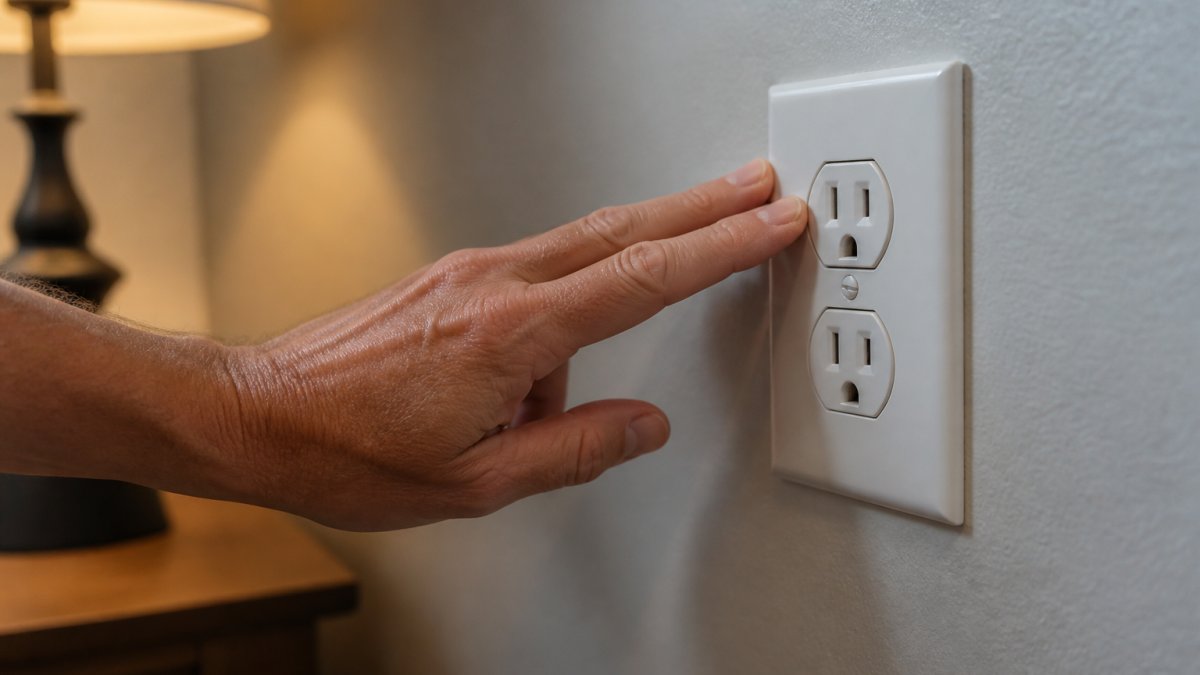
A warm electrical outlet is your home's way of signaling that something isn't right. When you touch an outlet and feel heat, electricity is meeting resistance somewhere in the circuit. That resistance converts electrical energy into warmth. This is a warning sign you should never ignore.
Warm electrical outlets happen for specific reasons. The outlet itself, the plug, or the wiring behind the wall could be the culprit. Some causes are minor annoyances. Others are serious fire hazards. The key is knowing the difference and acting fast.
Warm outlets rank high on the list of issues that need immediate attention. Most people don't realize how quickly a small electrical problem can escalate into danger.
The good news: you can take safe steps right now to protect your home and family.
Is a Warm Electrical Outlet Dangerous?
Yes, a warm electrical outlet is dangerous. Not every warm outlet will cause a fire today, but the risk exists. A mildly warm outlet tells you that electrical resistance is building. A hot outlet that burns your fingers is an emergency.
The danger comes from heat buildup over time. Repeated cycles of heating and cooling weaken connections and insulation. Damaged insulation exposes live wires. Live wires create fire risk. A small electrical fire inside your wall can spread before you notice it.
According to the U.S. Fire Administration, electrical and lighting equipment is involved in thousands of home fires annually. Many of these fires start at outlets and plugs. The common thread: the problem was visible or felt before the fire started, but action wasn't taken.
What Causes an Outlet to Get Hot
Overloaded Circuits and High-Power Appliances
Your home's electrical circuit has a limit. Every outlet on that circuit shares the same capacity. When you plug in too many devices or use high-power appliances at the same time, you exceed that limit. The circuit tries to deliver more electricity than it safely can.
High-power appliances draw significant electrical load. A toaster oven, space heater, hair dryer, or air conditioning unit demands a lot of power. Plug one of these into an outlet that's already serving other devices, and trouble starts.
Most home circuits are rated for 15 or 20 amps. Exceeding that rating creates heat. Repeated overloading damages the outlet's internal components. The metal contacts wear out. Connections loosen. Heat increases.
Signs of an overloaded circuit:
- Outlet feels warm during normal use
- Lights flicker when you plug something in
- Outlets or switches smell like burning plastic
- Circuit breaker trips repeatedly
If your circuit breaker trips, that's actually good news. It means the safety system is working. Don't keep resetting it. That's a sign you're drawing too much power from that circuit.
Loose Connections and Poor Contact
A loose connection between the plug and the receptacle creates resistance. Electricity must jump a tiny gap instead of flowing smoothly. That gap generates heat. Over time, the metal contacts inside the outlet wear down and lose their spring tension.
Poor contact happens gradually. Each time you plug something in, you slightly damage the metal contacts. Each time you unplug, the contacts weaken a little more. After months or years, the contact is sloppy. Electricity arcs across the gap. Heat increases.
You might notice the plug feels loose when you insert it. The outlet might not grip the plug firmly. These are warning signs of worn contacts inside the receptacle.
Loose connections also happen when plugs are pulled at an angle instead of straight out. Tugging a cord sideways bends the prongs and damages the outlet's internal contacts. This is especially common with power cords that run behind furniture or under rugs.
Worn or Damaged Receptacles
Outlets wear out. They're not designed to last forever. After years of use, the metal contacts inside lose their shape. The spring tension that grips the plug weakens. The outlet becomes less effective at maintaining solid electrical contact.
A worn receptacle creates the same problem as a loose plug: poor contact and heat buildup. You might see visible damage inside the outlet opening, like discoloration or burn marks. These indicate past arcing or overheating.
Damaged outlets also result from physical trauma. A plug pushed in too hard can bend the internal contacts. Moisture or corrosion inside the outlet degrades the metal. Rodent damage or insect nests can compromise the receptacle's integrity.
If your outlet looks burned, discolored, or has visible damage, that outlet needs replacement. Don't attempt to repair it yourself. Call a licensed electrician to replace the receptacle and inspect the wiring behind it.
Why Your Toaster Oven Plug Gets Hot
A toaster oven is a high-power appliance. It draws significant electrical current to generate the heat needed for cooking. That current flows through the plug and into the outlet.
Why the plug gets hot specifically:
- The plug prongs are smaller than the outlet contacts they fit into
- High current flowing through a smaller conductor generates more heat
- A toaster oven plug works harder than a lamp plug
- Repeated heating and cooling weakens the metal prongs
If your toaster oven plug is hot to the touch, unplug it immediately. Don't use that outlet for the toaster oven again until an electrician inspects it. The problem could be a worn outlet, a damaged plug, or both.
Check the plug itself for damage. Look for discoloration, burn marks, or bent prongs. If the plug looks damaged, replace it. If the plug looks fine but still gets hot, the outlet's internal contacts are likely worn. That outlet needs professional attention.
A common mistake is continuing to use a hot plug because the appliance still works. Working doesn't mean safe. Heat at the connection point is a fire hazard. Stop using it and get it checked.
Safe Steps to Take Right Now
Immediate Actions for a Warm Outlet
Stop using the outlet immediately. Don't plug anything else into it. Don't leave devices plugged in. Unplug everything currently connected to that outlet.
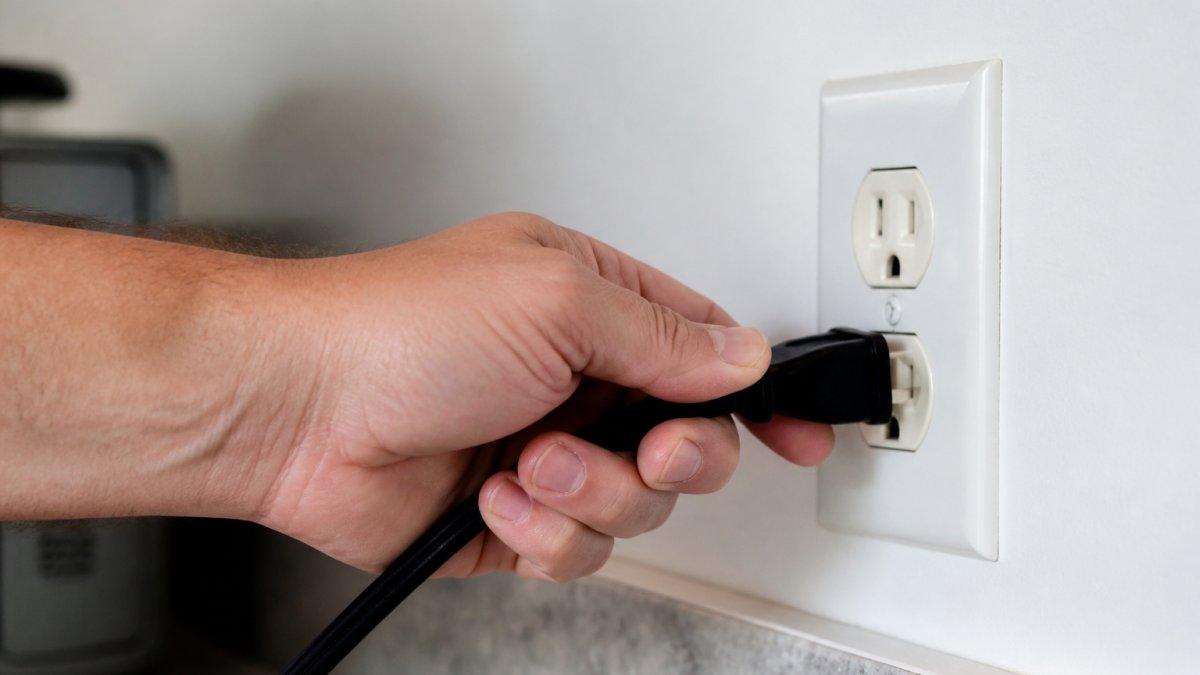
Allow the outlet to cool. Turn off the circuit breaker that controls that outlet if you can identify it. Leave it off for at least 30 minutes.
Inspect the outlet visually. Look at the outlet opening. Do you see discoloration, burn marks, or melted plastic? Do you smell burning plastic or see smoke?
Check the plug. Look at the prongs of whatever was plugged into the warm outlet. Are they discolored, bent, or damaged? Is the insulation around the prongs cracked or burned?
Do not use that outlet again until an electrician inspects it. Mark the outlet with tape or a note so family members know it's out of service.
When Not to Troubleshoot Yourself
You can observe and report, but you cannot fix electrical problems safely. Electricity is invisible and dangerous. A mistake can cause serious injury or death.
Do not open the outlet. Don't try to tighten connections or remove the receptacle yourself.
Do not test the outlet with tools or devices. Don't use a multimeter, outlet tester, or any other device to diagnose the problem. Leave diagnosis to a licensed electrician.
Do not assume the problem is just the plug. Even if you replace the plug with a new one, the underlying problem in the outlet might remain.
Do not ignore the problem hoping it goes away. Warm outlets don't fix themselves. The problem gets worse over time. Heat buildup causes insulation to deteriorate.
Do not use extension cords or surge protectors as a workaround. Plugging something into an extension cord plugged into a warm outlet just moves the problem elsewhere.
When to Call an Electrician for a Warm Outlet
Call a licensed electrician immediately if:
- The outlet feels hot to the touch
- You see burn marks or discoloration around the outlet
- You smell burning plastic or electrical odors near the outlet
- The outlet has caused your circuit breaker to trip multiple times
- A plug that was in the warm outlet is damaged or discolored
- The warm outlet is in a kitchen, bathroom, or other wet area
- You have any doubt about the safety of the outlet
A licensed electrician will:
- Test the outlet with proper equipment to measure voltage and current
- Inspect the wiring behind the outlet for damage or loose connections
- Check the circuit breaker and the entire circuit for problems
- Determine whether the outlet needs replacement or if deeper wiring issues exist
- Verify that the outlet is properly grounded
- Ensure the outlet meets current electrical codes
A handyman or licensed electrician can diagnose outlet problems safely and identify whether you're dealing with an overloaded circuit, a worn receptacle, or a loose connection. They can replace damaged outlets and repair faulty wiring.
Don't wait for a warm outlet to become a fire. Call an electrician as soon as you notice the problem.
Preventing Warm Outlets and Fire Hazards
Avoid overloading circuits. Know which outlets are on the same circuit. Don't plug multiple high-power appliances into the same circuit at the same time.
Plug devices in straight. Insert plugs directly into the outlet. Don't push at an angle or tug cords sideways.
Replace worn outlets before they cause problems. If an outlet feels loose or a plug doesn't fit snugly, that outlet is wearing out.
Inspect plugs and cords regularly. Look for damage, discoloration, or bent prongs. Replace any plug or cord that shows signs of wear or damage.
Keep outlets dry. Water and electricity don't mix. Install GFCI (ground fault circuit interrupter) outlets in kitchens, bathrooms, and other damp areas.
Don't hide outlets behind furniture or rugs. Outlets need airflow to stay cool. Blocking them with furniture traps heat.
Prevention is far simpler than dealing with an electrical fire. A few minutes of attention now protects your home and family.
Conclusion
Warm electrical outlets are warning signs your home's electrical system needs attention. The problem won't resolve itself, and ignoring it puts your family at risk. Whether the cause is an overloaded circuit, a loose connection, or a worn receptacle, the solution is the same: stop using the outlet and call a licensed electrician.
M Property Services offers professional electrical inspection and repair services to homeowners throughout the area. Our licensed electricians diagnose the root cause of warm outlets, replace damaged receptacles, repair faulty wiring, and ensure your home meets current electrical codes. We respond quickly to electrical emergencies.
Get a Quote from M Property Services today for a professional electrical inspection. We'll identify any outlets or circuits that pose a risk and recommend safe, code-compliant repairs to protect your home.
Frequently Asked Questions
Is it normal for an electrical outlet to feel warm?
A slightly warm outlet is not necessarily normal. While outlets can generate minor warmth during normal use, persistent warmth is a warning sign. If the outlet is hot to the touch or you notice a burning smell, stop using it immediately and contact a licensed electrician. The difference between mildly warm and dangerously hot matters, mildly warm may indicate an overloaded circuit, while hot outlets suggest loose connections or damaged components that require professional inspection.
What causes an outlet to get hot?
Outlets overheat for three main reasons: overloaded circuits when too many high-power appliances draw current simultaneously, loose connections between the plug and receptacle that create electrical resistance and heat, and worn or damaged receptacles with deteriorated spring tension that fail to grip plugs securely. High-power appliances like space heaters and hair dryers can also cause the outlet itself to warm if the circuit isn't properly rated. Identifying which cause applies helps determine whether you need to redistribute your electrical load or call an electrician for replacement.
When should I call an electrician about a warm outlet?
Call a licensed electrician immediately if the outlet is hot to the touch, if warmth persists even after unplugging devices, if you smell burning or see scorch marks, or if the outlet is damaged or discolored. Don't wait if the problem occurs repeatedly or affects multiple outlets. Electrical fires start from faulty outlets and loose connections, professional inspection identifies whether the issue is circuit overload, a faulty receptacle, or wiring problems that only licensed electricians should repair.
Why does my toaster oven plug get hot?
Toaster ovens draw significant electrical current, so their plugs naturally warm during operation. However, excessive heat is abnormal. Common causes include a loose connection between the plug and outlet where resistance creates heat, a damaged or worn receptacle that doesn't grip the plug firmly, or a circuit rated too low for the appliance's power demand. If the plug is too hot to touch or the cord is warm far from the outlet, stop using it and have a licensed electrician inspect both the outlet and the appliance's electrical cord for damage.