 ultimate-guide
Property Maintenance for Busy Families: Complete Guide
Table of Contents
- Why Property Maintenance Matters for Busy Families
- Creating a Home Maintenance Checklist That Works
- Building a Home Maintenance Schedule That Fits Your Life
- How to Choose a Property Maintenance Company
- Understanding Property Maintenance Service Costs
- Critical Maintenance Tasks You Should Never Skip
- Simplifying Property Management for Your Family
- Frequently Asked Questions
Last Updated: October 11, 2026
Why Property Maintenance Matters for Busy Families
Property maintenance busy families rely on prevents costly emergencies. When you're juggling work and kids, an unexpected repair costing thousands is the last thing you need, yet it's exactly what happens when preventive care is overlooked.
Homes deteriorate on their own schedule, not yours. A structured approach to property maintenance transforms surprises into manageable tasks.
The key insight is that property maintenance isn't about doing everything at once, it's about knowing what matters most and having a reliable partner who handles it consistently.
Creating a Home Maintenance Checklist That Works
A functional property maintenance checklist prevents you from forgetting critical tasks. Some protect your home's core systems and prevent thousands in damage; others are nice-to-haves that can wait. For busy families, the skill is knowing which tasks prevent catastrophic failure.
Preventive maintenance priorities: What stops expensive damage
Preventive maintenance tasks are those that, if skipped, lead to exponential cost increases. These deserve priority even when time is tight.
HVAC system maintenance extends equipment life by 5-10 years and prevents mid-season failures. Annual inspections catch refrigerant leaks, electrical issues, and mechanical wear.
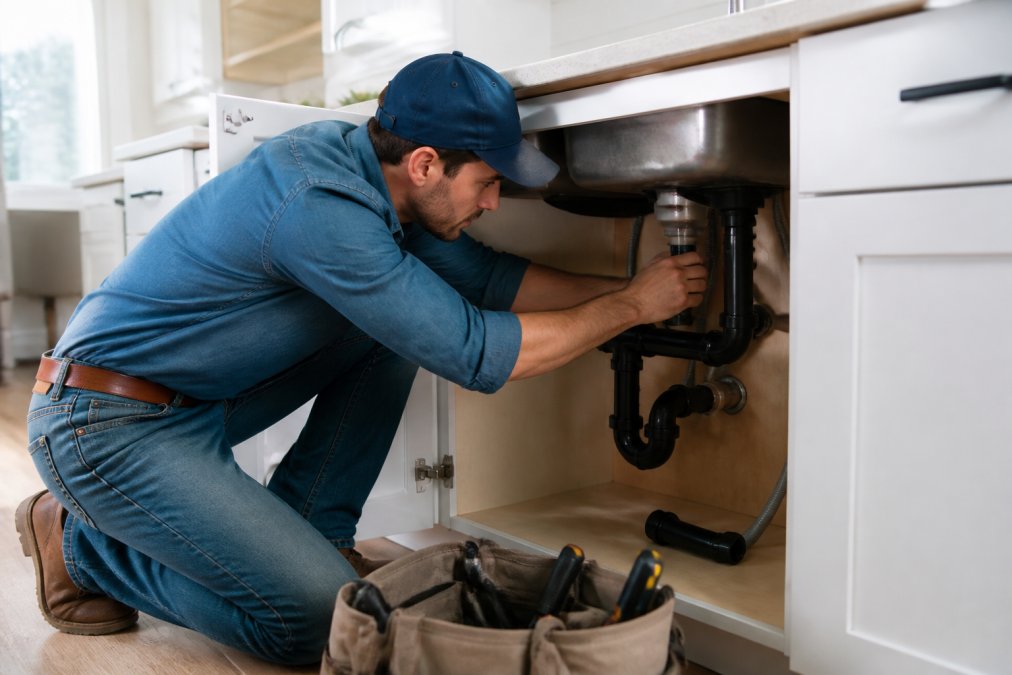
Plumbing inspections catch mineral buildup, tree root intrusion, and corroded pipes before catastrophic failure.
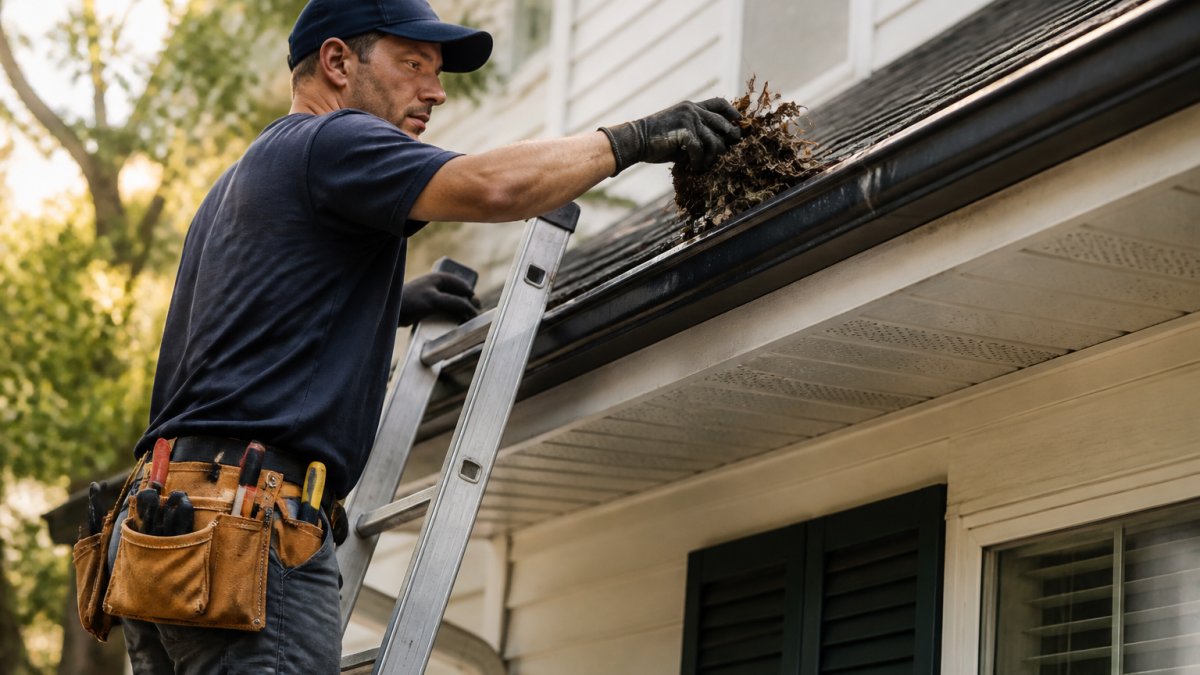
Gutter and downspout cleaning prevents water pooling against your foundation, which causes basement leaks, foundation cracks, and mold.
Water heater flushing removes mineral sediment and extends lifespan from 8-10 years to 12-15 years. Annual flushing costs $100-$200 and saves $1,500-$2,500 in replacement costs.
Tasks that matter but can be deferred
These maintenance items improve comfort or appearance but don't prevent catastrophic damage if delayed by a season or two.
Exterior caulking and sealant checks prevent water intrusion around windows and doors, but degradation is gradual.
GFCI outlet testing ensures electrical safety in wet areas, but these devices are reliable. Quarterly testing is standard practice, but missing one quarter poses minimal risk.
Chimney inspections are important for safety if you use your fireplace regularly, but can be deferred to every other year if you don't burn wood frequently.
Interior caulking and paint touch-ups are cosmetic and can wait indefinitely without affecting home function or safety.
A risk-based maintenance calendar
Organize your year around preventing the highest-cost failures:
| Task | Frequency | Cost to Maintain | Cost if Deferred | Priority |
|---|---|---|---|---|
| Roof inspection | Annually (or 2-3 years if new) | $200-$400 | $15,000-$30,000 water damage | Critical |
| HVAC service | Annually | $100-$300 | $5,000-$8,000 replacement | Critical |
| Gutter cleaning | 2× annually | $150-$300 | $5,000-$10,000 foundation damage | Critical |
| Plumbing inspection | Annually | $150-$300 | $2,000-$5,000 pipe replacement | Critical |
| Water heater flush | Annually | $100-$200 | $1,500-$2,500 early replacement | High |
| Exterior caulk check | Annually | $200-$600 repair | $1,000-$3,000 water damage | Medium |
| GFCI outlet test | Quarterly | $0 (DIY) | Electrical hazard | Medium |
| Chimney inspection | Annually (if used) | $100-$250 | Fire hazard | Medium |
For busy families: complete Critical tasks every year without fail. Defer Medium tasks if constrained. Cosmetic tasks can wait indefinitely.
Seasonal task breakdown
Organizing critical tasks by season ensures you're never facing multiple urgent jobs at once.
Spring (March-May): Roof inspection after winter weather, gutter cleaning, exterior caulk assessment, HVAC cooling system test.
Summer (June-August): Monitor air conditioning performance, check for water intrusion around windows, inspect foundation for new cracks.
Fall (September-November): HVAC heating system service, water heater flush, chimney inspection (if applicable), gutter cleaning before winter.
Winter (December-February): Monitor for ice dams, check weatherstripping, ensure proper drainage around foundation, test GFCI outlets.
This rhythm ensures that critical preventive tasks are distributed across the year, preventing the overwhelm that causes families to skip maintenance entirely.
Building a Home Maintenance Schedule That Fits Your Life
Consistency matters more than the schedule itself. Assign specific months to specific tasks: January for HVAC inspection, March for spring exterior prep, September for fall heating prep. The real challenge is staying consistent when life gets busy, this is where a single property maintenance provider changes everything. Instead of juggling multiple contractors and schedules, you have one trusted contact managing the calendar.
| Task | Frequency | Best Time | Priority |
|---|---|---|---|
| HVAC filter replacement | Monthly/Quarterly | Ongoing | High |
| Roof inspection | Annually | Spring/Fall | High |
| Plumbing inspection | Quarterly | Seasonal | Medium |
| Gutter cleaning | 2x annually | Spring/Fall | High |
| Water heater flush | Annually | Fall | Medium |
| Exterior caulk check | Annually | Spring | Medium |
How to Choose a Property Maintenance Company
The right property maintenance company becomes an extension of your family's home management, handling expensive systems and requiring trust.
Licensing, bonding, and insurance verification
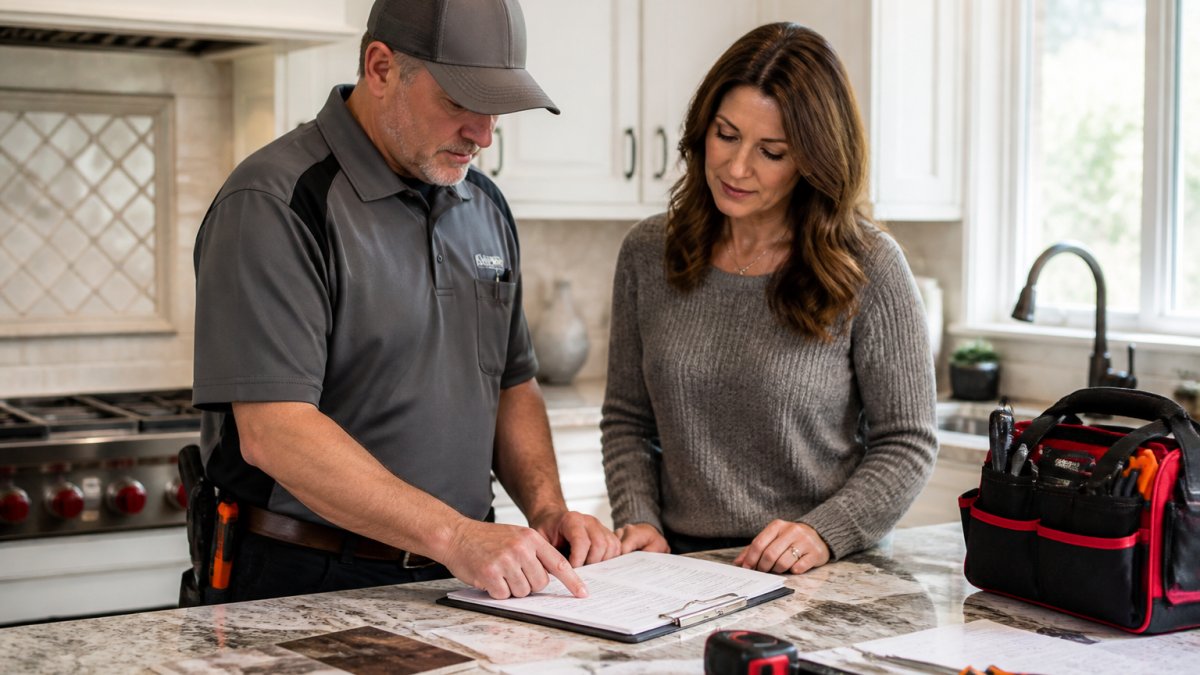
Before considering any contractor, verify three things: current licenses, active bonding, and liability insurance. These aren't bureaucratic formalities, they're your legal protection.
Licensed contractors have demonstrated competency in their trade. A licensed electrician, for example, has passed exams covering electrical codes, safety standards, and best practices. Bonding protects you if the contractor fails to complete work or violates your property. Insurance protects both you and the contractor if someone is injured on your property.
Ask to see these credentials directly. A reputable company like M Property Services displays licenses and certifications openly because they prove credibility and local knowledge of Boise property needs and regulations.
Single provider vs. multiple contractors
A single property maintenance provider offers coordination, accountability, and consistency. One company handling electrical, HVAC, and handyman services understands how systems interact and catches problems one contractor might miss. Multiple contractors create gaps, communication breakdowns, and scheduling nightmares. The convenience and peace of mind usually outweigh any perceived benefit of shopping around.
Understanding Property Maintenance Service Costs
Pricing depends on home age and condition, specific systems, location, and whether you pay per-service or through a service plan. Understanding the cost structure is essential for budgeting.
Per-service pricing: When to use it
Per-service pricing works best for newer homes (under 10 years) or families preferring flexibility. Pricing depends on the specific service. Advantage: pay only for what you use. Disadvantage: you must remember to schedule, coordinate multiple contractors, and often pay higher rates. Get a quote for current pricing.
Service plans: Bundled maintenance at fixed cost
Service plans involve regular visits at set intervals for a fixed fee. M Property Services offers customized service plans to fit your home's needs. Get a quote to learn more about our service plan options and pricing.
Service plan value calculation
For a 15-year-old home, annual per-service costs can add up. A comprehensive service plan can offer priority scheduling, discounts on repairs, faster emergency response, and one point of contact, providing coordination and peace of mind. Get a quote to compare options for your home.
Factors that affect pricing
Home age: Homes over 20 years old may require more frequent attention.
Home size: Larger homes have more square footage to inspect, more gutters to clean, and larger HVAC systems.
System condition: If your HVAC system, roof, or plumbing has known issues, contractors will quote higher maintenance costs because problems are more likely to require repair.
Geographic location: Labor costs vary significantly by region. Rural areas may have higher travel fees; urban areas may have higher hourly rates.
Contractor experience and licensing: Licensed, bonded, and insured contractors typically charge 10-20% more than unlicensed handymen, but the protection and expertise justify the difference.
Building your maintenance budget
For planning purposes, budgeting a percentage of your home's value annually for maintenance and repairs is a common practice.
Break this into categories:
- Preventive maintenance (inspections and routine care)
- Repairs discovered during inspections
- Emergency repairs and unexpected issues
If you choose a service plan, it typically covers the preventive maintenance portion. Budget the remaining 60-70% for repairs and emergencies.
Making the service plan decision
Choose a service plan if:
- Your home is over 15 years old
- You value coordination and one point of contact
- You want predictable monthly costs
- You prefer not to remember scheduling multiple contractors
- You want priority scheduling and faster response times
Choose per-service pricing if:
- Your home is newer (under 10 years)
- You enjoy managing home maintenance yourself
- You want maximum flexibility
- You're willing to remember and schedule each task
- You have time to coordinate multiple contractors
Many families start with per-service pricing and transition to a service plan after experiencing the coordination burden of managing multiple contractors. The convenience and peace of mind often outweigh the slightly higher cost.
Critical Maintenance Tasks You Should Never Skip
Some property maintenance tasks directly impact safety or prevent catastrophic damage. These deserve priority regardless of budget constraints.
HVAC system care and roof inspections
Your HVAC system is one of your home's most expensive components. Regular maintenance extends its lifespan by years and prevents mid-season failures. Annual inspections catch refrigerant leaks, electrical issues, and mechanical wear before they cause breakdowns.
Roof inspections are equally critical. A small leak discovered during an inspection costs a few hundred dollars to repair. The same leak left undetected can cause tens of thousands in water damage, mold, and structural deterioration. Most roofs need professional inspection every 2-3 years, or annually if your home is older.
Plumbing system checks and electrical safety
Plumbing problems escalate quickly. A slow drain becomes a complete blockage. A small leak becomes water damage. Regular plumbing inspections identify mineral buildup, tree root intrusion, and corroded pipes before they fail.
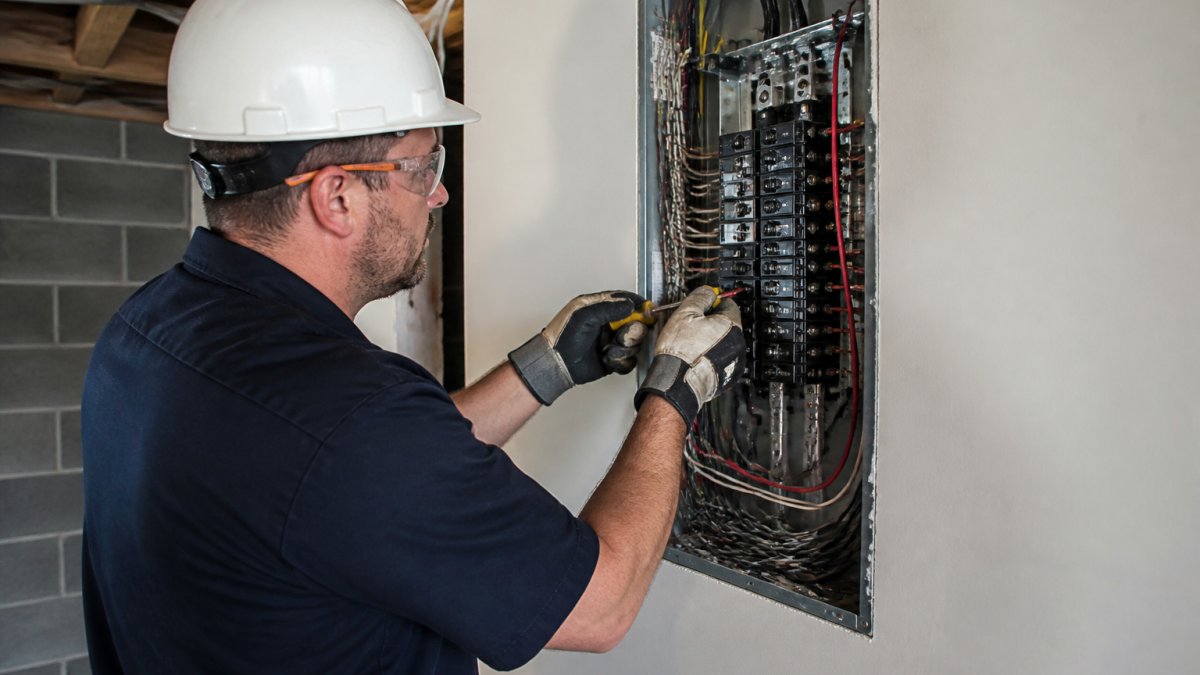
Electrical safety isn't optional. Faulty wiring causes house fires. Outdated panels can't handle modern electrical loads safely. Professional electrical inspections ensure your home meets current safety codes and identify hazards before they become emergencies.
These critical property maintenance tasks protect both your investment and your family's safety. They're the non-negotiable foundation of any maintenance program.
Simplifying Property Management for Your Family
The goal of property maintenance busy families need is simplification, not perfection. You're not trying to maintain your home like a museum.
Start with the checklist provided earlier. Assign tasks to months. Then make one decision: will you handle routine maintenance yourself, or will you outsource it to a property maintenance provider? Honest families recognize their limits.
The families who succeed at property maintenance aren't the ones with the most time, they're the ones with systems. A consistent schedule beats sporadic heroic efforts every time.
Busy families deserve home maintenance that doesn't add to their stress.
Frequently Asked Questions
What should be included in a comprehensive property maintenance plan?
A full-service property maintenance plan covers roof inspections, HVAC system checks, plumbing system maintenance, electrical safety inspections, exterior property upkeep, and handyman repairs. For busy families, the best approach combines preventive seasonal tasks with responsive repair services. Licensed providers typically offer both a la carte services and customized packages so you only pay for what your home actually needs.
How often should families complete a home maintenance checklist?
Most homeowners benefit from monthly quick checks (running toilets, leaky faucets, water waste) and seasonal deep reviews. A comprehensive home maintenance checklist should be completed quarterly at minimum, with additional inspections before winter and spring. Busy families often find it helpful to schedule these during the same week each season to build the habit and catch issues before they become expensive repairs.
Is it better to hire one property maintenance company or multiple contractors?
One licensed, bonded, and insured provider who handles electrical, HVAC, and handyman services simplifies coordination and accountability. Multiple contractors can mean scheduling conflicts, inconsistent quality, and no single point of contact when something goes wrong. A full-service solution reduces communication friction and ensures all work meets code compliance, especially important for families without time to vet and manage separate specialists.
How do I verify a property maintenance provider is licensed and insured?
Ask for proof of licensing in your state and county, bonding, and general liability insurance before hiring. Licensed contractors carry credentials specific to their trade (electrical, HVAC, plumbing). Request references and check online reviews from verified customers. A reputable provider will have no problem sharing documentation and explaining their experience, which protects your home and family.
What property maintenance tasks should homeowners leave to licensed professionals?
Electrical repairs, HVAC maintenance, roof inspections, plumbing system work, and backflow testing must be handled by licensed professionals to ensure code compliance and safety. Handyman services like minor repairs, caulking, and exterior maintenance can often be handled by qualified handyman services. Attempting complex repairs yourself risks injury, code violations, and voiding home warranties.
How can I budget for property maintenance service costs?
Property maintenance service costs vary by home age, size, and location. Start by getting a free estimate from a local provider to understand your home's specific needs. Plan for seasonal inspections, emergency repairs, and preventive maintenance. Many families budget a percentage of their home's value annually for maintenance. Transparent pricing from a full-service provider helps you prioritize repairs and plan year-round without surprise expenses.