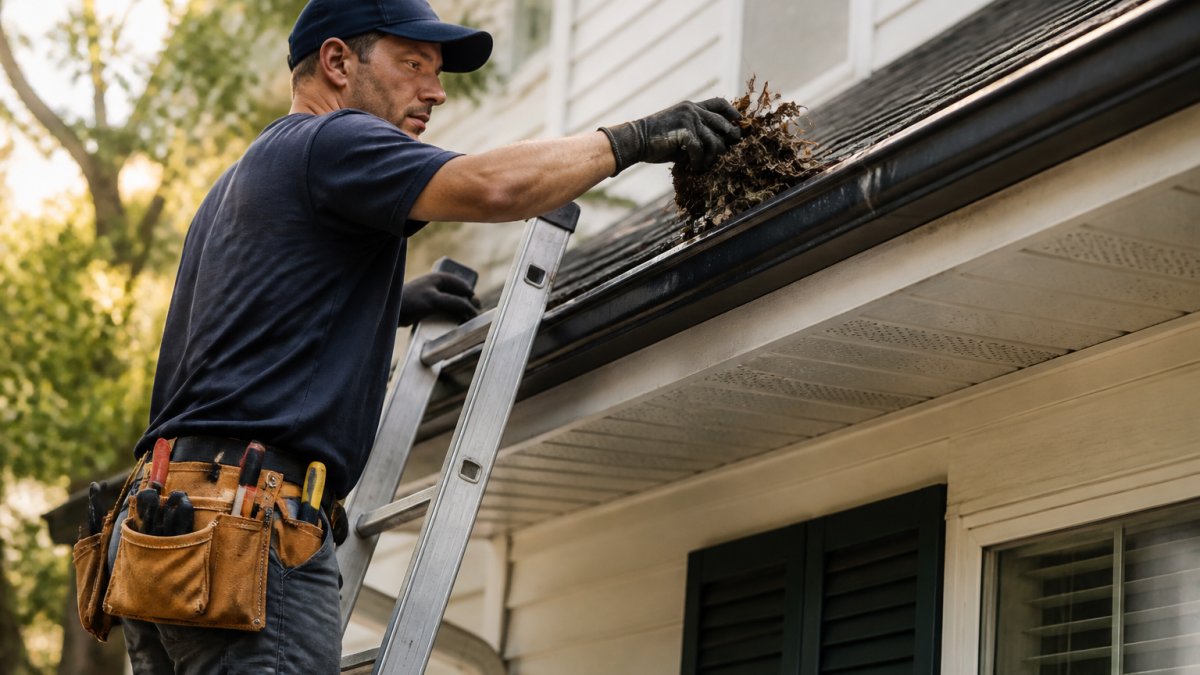
 ultimate-guide
What to Look for in Property Maintenance: 2026 Guide
Table of Contents
- What to Look for in Property Maintenance: Core Standards That Matter
- Property Maintenance Checklist for Homeowners: What to Inspect and When
- Preventative Maintenance vs Reactive Maintenance: Which Approach Saves More?
- Licensing and Insurance Requirements for Contractors: How to Verify Credentials
- Basin Pro Alternatives for Property Maintenance: What to Compare
- How to Evaluate a Property Maintenance Company's Quality
- Frequently Asked Questions
Last Updated: October 4, 2026
What to Look for in Property Maintenance: Core Standards That Matter
Knowing what to look for in property maintenance comes down to five things: how major systems are aging, whether water and air move where they should, how the electrical system is holding up, what the exterior is hiding, and whether anyone is tracking it.
Property maintenance is the ongoing process of inspecting, servicing, and repairing a home's systems and structure so they keep working safely and predictably.
Here's what most homeowners miss: maintenance isn't a repair category, it's a scheduling discipline. A house with a mediocre maintenance plan beats one with an excellent repair habit.
The Five Elements of Effective Maintenance
Every effective maintenance program covers the same five areas, whether it's a single-family home or a small apartment building:
- Building systems, HVAC, water heater, electrical panel, plumbing supply and drain lines
- Structure, roof, foundation, siding, windows, and load-bearing elements
- Exterior envelope, grading, drainage, gutters, and anything that keeps water away from the foundation
- Safety components, smoke and carbon monoxide detectors, GFCI outlets, backflow prevention assemblies
- Documentation, inspection records, work orders, and a running list of deferred maintenance
That fifth element is where almost everyone fails. Without records, you can't tell whether a water heater is three or thirteen years old, or prove a system was serviced when you sell.
Property Maintenance Checklist for Homeowners: What to Inspect and When
A workable homeowner checklist breaks into monthly, seasonal, and annual tasks. The goal isn't constant inspection; it's inspecting the right things at the right interval so small issues surface before they become capital expenditures.
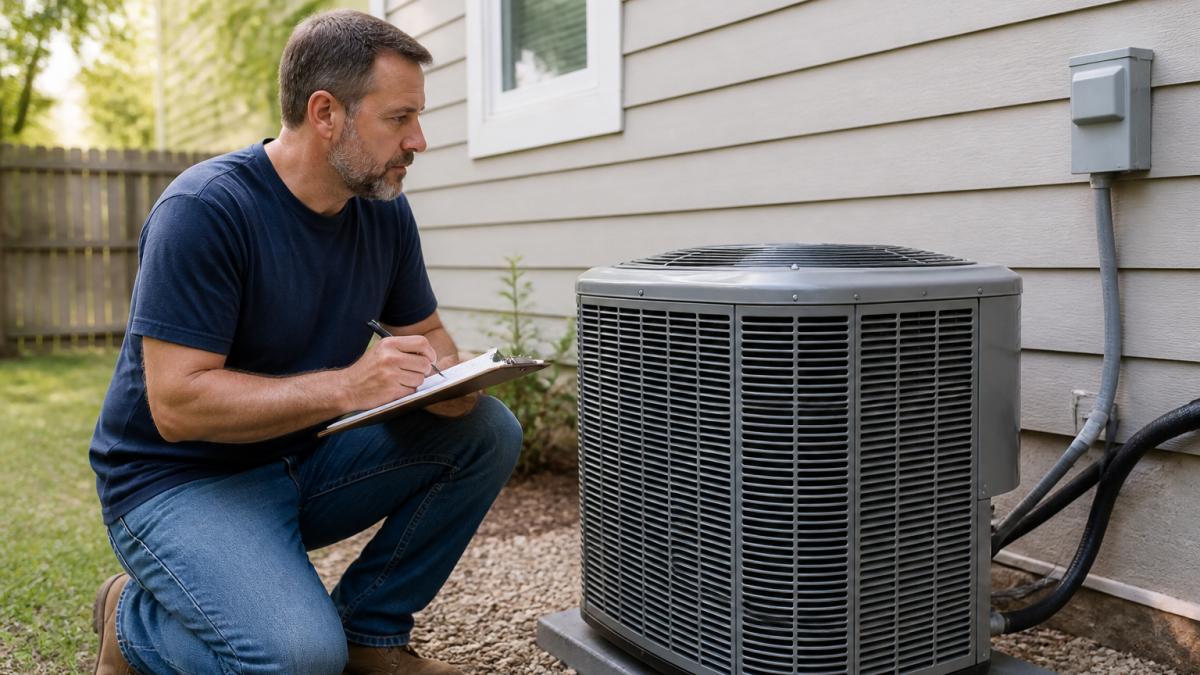
Monthly (15 minutes)
- Test smoke and carbon monoxide detectors
- Check under sinks for slow leaks or moisture
- Replace HVAC filters during heavy-use months
Seasonal
- Spring: roof and gutter inspection, AC tune-up, exterior paint touch-ups
- Fall: furnace service, weatherstripping, irrigation blowout, gutter clearing
- Winter: pipe freeze protection, ice dam watch, heating system checks
Annual
- Professional HVAC inspection
- Water heater flush and anode rod check
- Electrical panel inspection
Consistency matters more than order. A checklist you complete beats a comprehensive one you abandon by March.
Preventative Maintenance vs Reactive Maintenance: Which Approach Saves More?
Preventative maintenance almost always costs less over a home's life than reactive repairs, trading small scheduled expenses for large unscheduled ones. The trade-off is timing: prevention costs on a predictable schedule; emergencies cost whenever they feel like it.
But "almost always" isn't a number. The useful question is how to calculate the crossover for your property, since the answer changes with system age, climate, and how long you plan to hold the asset.
The Deferral Cost Curve
Maintenance costs scale in steps, not linearly, and the steps get steeper:
- Stage 1, Scheduled service. A tune-up, a filter change, a flush. Low, predictable cost. The system stays in its designed service life.
- Stage 2, Accelerated wear. Skipped service shortens component life. You replace a part years earlier than the manufacturer's expected interval. Cost is moderate and still plannable.
- Stage 3, Failure. The system stops. You pay emergency labor rates, often after-hours, plus the part, plus whatever the failure damaged on its way out (water, refrigerant, electrical).
The point of a maintenance program is keeping every system in Stage 1. Every dollar spent there is a dollar not spent at Stage 3 or 4.
A Simple ROI Framework
You don't need a spreadsheet, just four inputs:
- Annual scheduled cost, what you spend per year on service for a given system.
- Expected service life with maintenance, the manufacturer's rated life when serviced on schedule.
- Expected service life without maintenance, typically shorter, and the gap widens with age.
- Replacement cost, what a new unit costs installed.
Divide replacement cost by each service life to get an annualized cost of ownership. If scheduled maintenance adds years to the denominator for a fraction of the numerator, prevention wins. Near end of life, the math flips, you're paying to extend something you'll replace soon anyway. For HVAC and water heaters, the annualized cost of a serviced unit is usually lower than an unserviced one, even counting service spend; within a year or two of replacement, that advantage narrows or disappears.
When Reactive Actually Wins
Reactive maintenance has one advantage: you only pay when something breaks. That math works in three situations:
- You are selling within a year and the systems are documented as sound.
- The system is new and under a manufacturer warranty that covers failure.
- The asset is cosmetic, paint, landscaping, fixtures, where failure is inconvenient, not destructive.
Outside those cases, reactive maintenance isn't a strategy, it's a bet that nothing fails on a bad night.
The Hybrid Model Most Owners Land On
| Approach | Cost Pattern | Best For | Main Risk |
|---|---|---|---|
| Preventative | Predictable, scheduled | Long-term owners | Paying for service you may not need yet |
| Reactive | Unpredictable, event-driven | Short-term owners, new systems | Hidden damage and emergency premiums |
| Hybrid | Scheduled critical systems, reactive on cosmetics | Most homeowners | Requires discipline to stay hybrid |
Service systems that fail expensively (HVAC, plumbing, electrical, roof) on schedule; handle cosmetic issues as they come. The discipline is not letting a "cosmetic" issue quietly become structural.
Tracking the Numbers
You can't calculate ROI on data you never recorded. Keep a simple log per system: install date, service dates, parts replaced, cost. After two or three years you'll see which systems trend toward Stage 2 and which stay in Stage 1. That log is also what a buyer's inspector and your insurer want to see.
Licensing and Insurance Requirements for Contractors: How to Verify Credentials
Verifying a contractor means checking four things: state or local licensing for the specific trade, general liability insurance, workers' compensation coverage, and any specialty certifications the work requires. Most homeowners check none, then discover the gap when something goes wrong.
Licensing is often split by discipline: an electrical contractor, HVAC contractor, and general handyman may each fall under different licensing bodies and insurance minimums.
How to Actually Verify, Not Just Ask
Asking isn't verifying. Each credential has a source of truth you can check yourself in minutes:
- License. Most states maintain a public license lookup, often run by a state licensing board or department of professional regulation. Search the license number and confirm the status is active, the trade matches the work, and the expiration date has not passed.
- General liability insurance. Request a certificate of insurance (COI) naming you or the property as an additional insured for the project. Then call the insurer's number on the certificate, not the number the contractor gave you, to confirm the policy is current.
- Workers' compensation. Ask for the workers' comp carrier and policy number, and confirm it directly with the carrier. If a contractor has no employees, they may be exempt, but they should be able to show you the exemption certificate.
A legitimate contractor answers every request without hesitation and hands over documentation, not verbal confirmation. Evasiveness on insurance or permits is the clearest warning sign.
What to Ask Before You Hire
Keep this list and work through it before signing anything:
- What is your license number, and which trade does it cover?
- Can you provide a certificate of insurance with current dates?
- Are you bonded, and what does the bond cover?
Vetting Subcontractors and Managing the Relationship
Even a well-credentialed prime contractor may dispatch subcontractors. That's normal, but it shifts the verification burden:
- Ask the prime contractor to confirm that every subcontractor carries its own liability and workers' comp coverage.
- Get the names of the subcontractors scheduled for your job, and verify their licenses the same way you verified the prime's.
- Confirm who is responsible for permits, the prime, the sub, or you. In most jurisdictions the permit holder is legally responsible for code compliance, so this matters.
Vetting doesn't end at hire. Re-check insurance certificates annually, since coverage lapses quietly and last year's certificate proves nothing today. Confirm licenses stay active before each new project, and keep a vendor file per contractor with license numbers, insurance dates, and past work orders.
Communicating Maintenance to Tenants
If you rent out the property, the maintenance plan only works if tenants cooperate. Poor communication is the most common reason scheduled maintenance gets skipped or delayed.
A workable protocol:
- Give advance notice. Most leases and local ordinances require written notice before entry, commonly 24 to 48 hours. State the date, the window, and the purpose.
- Batch the visits. Group inspections and service calls into a single scheduled block rather than multiple surprise visits. Fewer disruptions mean fewer complaints.
- Provide a channel for non-emergencies. A simple maintenance request form or email address keeps small issues from becoming emergency calls at 2 a.m.
Good communication isn't just courtesy, it keeps the schedule intact, and the schedule keeps systems in Stage 1 instead of Stage 3.
The U.S. Consumer Financial Protection Bureau's guidance on hiring contractors offers additional questions worth keeping on hand, particularly around payment terms and contracts.
Basin Pro Alternatives for Property Maintenance: What to Compare
When homeowners look for alternatives to a single-trade provider, the comparison comes down to coverage, coordination, and accountability. The real question isn't which company is cheaper per visit, but how many separate phone calls, schedules, and invoices you're willing to manage.
Here's what to compare across any provider:
| Factor | What to Look For | Why It Matters |
|---|---|---|
| Trade coverage | Multiple licensed trades under one company | Fewer vendors, one point of contact |
| Licensing | Verifiable license numbers per trade | Code compliance and permit eligibility |
| Insurance | Liability plus workers' comp | Protects you if someone is injured on site |
| Response time | Stated service windows | Determines emergency value |
| Documentation | Written reports and work orders | Supports resale and warranty claims |
| Local knowledge | Familiarity with local codes and inspections | Fewer failed inspections |
M Property Services is a local, family-owned option for homeowners in Ada and Canyon Counties, with more than 30 years of experience and licensing across handyman, electrical, HVAC, and backflow testing.
How to Evaluate a Property Maintenance Company's Quality
Judging quality comes down to documentation, consistency, and how a company handles the work nobody's watching. Anyone can perform well on a scheduled visit. The test is what happens when something goes wrong.
Five signals that separate strong providers from weak ones:
- Written property condition reports. Photos, dates, and notes on what was found and what was deferred.
- Consistent technicians. You recognize the person at the door, and they recognize your home's history.
- Clear work order management. You get a record of what was done, not just a receipt.
- Honest deferral advice. A good provider tells you when something doesn't need fixing yet.
- Follow-through on callbacks. If a repair fails, they return without a fight.
Sustainability is becoming part of this evaluation too. Green maintenance practices, from efficient HVAC settings to water-conscious irrigation checks, reduce long-term operating costs and are increasingly relevant to buyers. The U.S.
Maintaining a home well takes more than a good repair person. It takes a plan, a checklist, and a provider who documents what they find. M Property Services handles handyman work, electrical, HVAC, and backflow testing across Ada and Canyon Counties, with fully licensed, bonded, and insured technicians and a single point of contact for scheduling. If you'd rather make one call than four, get a quote and see what a coordinated maintenance plan looks like for your home.
Frequently Asked Questions
What are the 10 most common home maintenance issues?
The most frequent problems homeowners face include clogged gutters, leaking faucets, HVAC filter neglect, water heater corrosion, roof shingle damage, caulking gaps around windows, electrical outlet wear, appliance seals, foundation cracks, and pest entry points. Addressing these early through routine upkeep prevents small defects from becoming expensive emergency repairs. A seasonal maintenance schedule that covers plumbing systems, electrical safety, and exterior maintenance catches most of these before they escalate.
Why is preventative maintenance more cost-effective than reactive repairs?
Preventative maintenance extends asset lifecycle by catching wear and tear before it causes failure. A well-maintained HVAC unit, for example, keeps its HVAC performance within spec and avoids the premium cost of emergency repairs. Reactive repairs almost always cost more because they involve urgent labor rates, potential property damage, and sometimes replacement instead of repair. Deferred maintenance compounds this problem, turning a small fix into a capital expenditure that could have been avoided with routine upkeep.
How do you evaluate the quality of a property maintenance company?
Start by verifying licensing and insurance requirements for contractors in your state. Ask for proof of general liability coverage and workers' compensation. Check whether the company uses work order management software to track jobs and communicate with you. Look for a property condition report or inspection summary after each visit. Finally, ask about their process for handling emergency repairs and whether they offer a single-source solution across trades like electrical, HVAC, and handyman services.
What certifications should a property maintenance professional have?
The certifications that matter depend on the trade. Electrical work requires a state electrical license. HVAC technicians should hold EPA Section 608 certification for refrigerant handling. Backflow testers need a certified backflow assembly tester license recognized by the local water authority. For general maintenance, look for a licensed, bonded, and insured contractor. Always confirm certifications are current and match the specific work being performed on your property.
What services fall under property maintenance?
Property maintenance covers a broad range of routine upkeep and repair tasks: HVAC servicing, electrical safety inspections, plumbing system checks, exterior maintenance like gutter cleaning and siding repair, pest control, appliance functionality checks, and handyman work such as caulking, painting, and minor carpentry. Some providers also offer backflow testing and compliance inspections. A single-source provider handles multiple trades, which simplifies scheduling and ensures one point of accountability for your property condition.
What are the benefits of hiring a single-source maintenance provider?
Using one company for electrical, HVAC, and handyman work reduces coordination headaches and ensures consistent quality across trades. You get one point of contact, one invoice, and one team that understands your property history. This matters for tenant retention if you rent your property, and for homeowners it means fewer no-shows and faster response times. A single provider also builds a maintenance schedule that addresses preventative measures across all building systems rather than treating each issue in isolation.