 ultimate-guide
Licensed Electrical Repair Services: Your Guide
Table of Contents
- What Licensed Electrical Repair Services Cover
- How to Verify an Idaho Electrician License and Insurance
- Understanding Electrical Repair Cost and What Affects Pricing
- Getting an Accurate Electrical Repair Estimate
- Home Electrical Troubleshooting: When to Call a Professional
- Repair, Replacement, or Upgrade: Making the Right Choice
- Permits, Inspections, and Local Code Compliance
- Choosing a Licensed Electrical Contractor for Your Needs
- Frequently Asked Questions
Last Updated: October 5, 2026
What Licensed Electrical Repair Services Cover
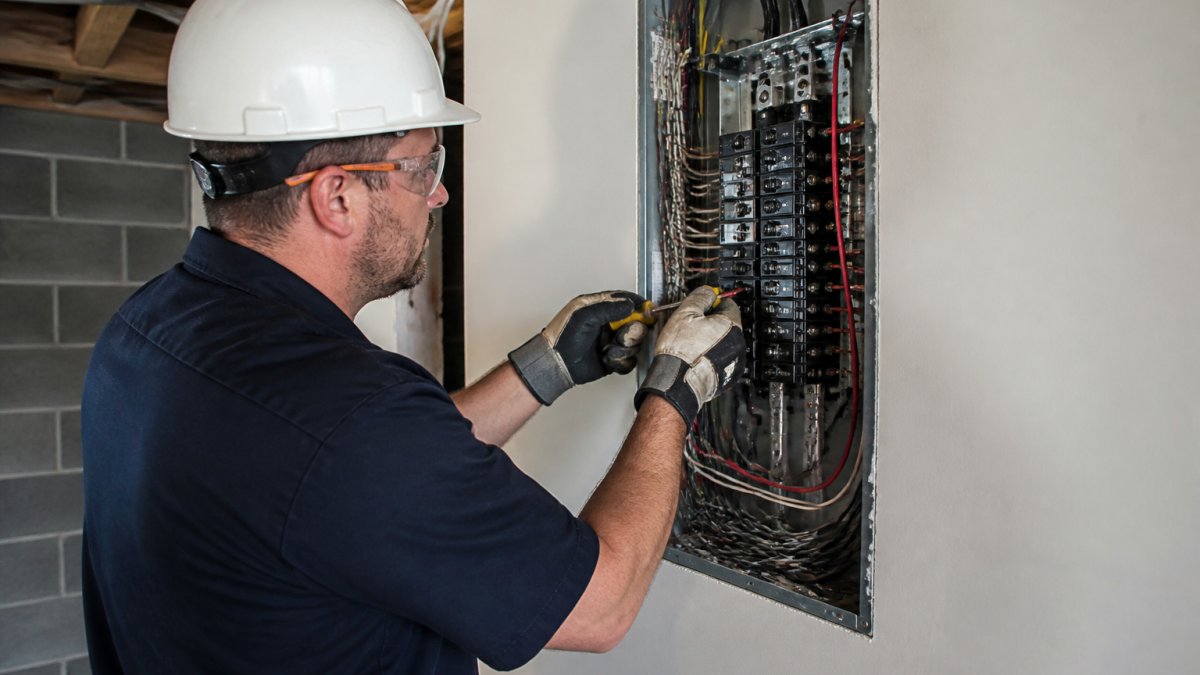
Licensed electrical repair services address many problems in residential and commercial properties. These services span from troubleshooting circuit breaker issues to rewiring entire sections of a home, replacing outdated panels, installing new lighting systems, and diagnosing electrical hazards that pose safety risks.
When you hire a licensed electrician, you're getting someone trained to handle everything from a flickering outlet to a complete electrical system overhaul.
The key distinction is that licensed electrical repair work must comply with the National Electrical Code (NEC) and local building codes. A licensed electrician understands these standards and knows how to execute repairs safely. At M Property Services, we handle these services across Ada and Canyon Counties, ensuring that every repair meets code requirements and keeps your home safe.
Beyond basic repairs, licensed professionals can also assess your entire electrical system for potential problems. They identify fire hazards, outdated components, and capacity issues before they become emergencies. This preventive approach often saves homeowners money by catching problems early.
How to Verify an Idaho Electrician License and Insurance
Verifying that an electrician is truly licensed is straightforward and essential before you hire anyone. Idaho requires electrical contractors and installers to hold valid licenses issued by the Department of Occupational and Professional Licenses (DOPL).
When you contact an electrician, ask for their license number and verify it immediately. Look for two types of credentials: an Electrical Contractor license (for business owners) and an Electrical Installer license (for individual technicians).
Insurance is equally critical. Request proof of general liability insurance and workers' compensation coverage. Liability insurance protects you if the electrician damages your property during the job. Workers' compensation protects the electrician's employees and removes your liability if someone is injured on your property.
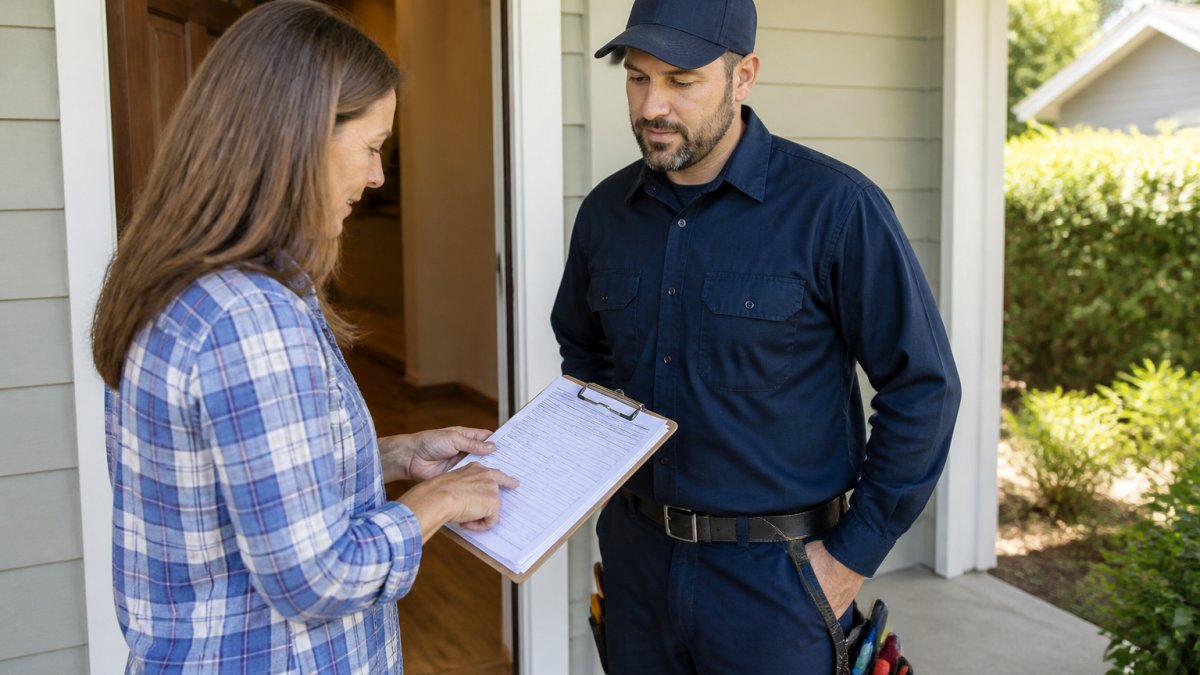
Beyond the basics, check whether the electrician is bonded. A surety bond provides additional protection if the work is incomplete or doesn't meet code. While not always required for individual jobs, bonding demonstrates financial responsibility and commitment to quality work.
Understanding Electrical Repair Cost and What Affects Pricing
Electrical repair costs vary significantly based on the type of problem, the complexity of the solution, and local market factors. Rather than guessing at a price range, understand what drives the cost so you can evaluate estimates intelligently.
The primary factors affecting cost include the nature of the repair, the time required, the electrician's experience level, emergency or after-hours service, and whether permits or inspections are needed.
Emergency service carries a premium. If you need electrical work at midnight on a weekend, expect to pay more than you would for a scheduled appointment during business hours.
Materials also factor into the total cost. Replacing a standard outlet costs less than installing a new circuit with GFCI protection or upgrading to a higher-capacity panel. The quality and type of materials used affect both the immediate cost and the longevity of the repair.
For accurate pricing on your specific repair, request a detailed estimate from a licensed contractor. A professional estimate breaks down labor, materials, and any additional costs. This transparency helps you compare quotes fairly and understand what you're paying for.
Getting an Accurate Electrical Repair Estimate
A solid estimate is your protection against unexpected costs and misunderstandings. When you request an estimate, provide as much detail as possible about the problem: what you've noticed, when it started, and any patterns (does it happen at certain times, with certain appliances, or randomly).
During the estimate visit, the electrician should inspect the problem area, ask clarifying questions, and review your electrical panel if relevant. They should identify what's causing the issue and explain the repair options. A quality estimate includes the scope of work, materials needed, estimated labor hours, total cost, and warranty information.
Compare estimates from multiple licensed contractors. You're not just comparing prices, you're comparing the level of detail in the estimate, the electrician's communication style, and their willingness to explain the work.
Ask whether the estimate includes permits and inspection fees. Some repairs require permits, which add to the timeline and cost but ensure the work meets code. A professional electrician factors this in and explains why permits are necessary for your specific repair.
Home Electrical Troubleshooting: When to Call a Professional
Some electrical problems you can address safely; others require a licensed professional immediately. Understanding the difference keeps you and your home safe.
Safe troubleshooting steps include checking whether a circuit breaker has tripped (flip it back on), replacing a blown fuse with the correct amperage, or testing an outlet with a simple outlet tester to confirm power is present. These actions don't involve touching live wires or opening electrical panels.
Flickering lights deserve attention but not necessarily emergency service. If one light flickers, it's usually a loose bulb or fixture. If multiple lights flicker throughout the house, it could indicate a loose connection in the main service panel, call a licensed electrician to diagnose.
Outlets that don't work might be on a tripped GFCI outlet elsewhere in the circuit. GFCI outlets protect against shock and can cut power to downstream outlets.
When in doubt, call a professional. If you're dealing with minor issues that don't require a full electrician visit, a Handyman service can sometimes help with basic troubleshooting and simple fixes.
Repair, Replacement, or Upgrade: Making the Right Choice
When an electrical component fails, you face a decision: repair it, replace it with a modern equivalent, or upgrade your entire system. Each option has different costs and long-term implications.
Repair is the most economical choice for isolated problems. A faulty outlet, broken light fixture, or damaged switch can usually be repaired or replaced affordably. Repairs make sense when the underlying system is sound and the problem is localized.
Replacement becomes necessary when repair is no longer practical. An old circuit breaker that keeps tripping, outdated wiring that poses fire risk, or an aging electrical panel that can't handle modern power demands should be replaced. Replacement restores functionality and safety without overhauling the entire system.
Upgrade is the most comprehensive option. If your home has aluminum wiring (a fire hazard), insufficient circuits for modern appliances, or a panel that's at capacity, upgrading the entire electrical system may be the best long-term investment.
A licensed electrician can assess your situation and recommend the most cost-effective path forward. They'll explain the risks of delaying repairs, the benefits of modern components, and the timeline for each option.
Permits, Inspections, and Local Code Compliance
Many homeowners are surprised to learn that electrical repairs often require permits. Permits aren't bureaucratic obstacles, they're a safety mechanism that ensures work meets code and protects you legally.
Permits are required for major repairs and all new installations. Replacing a simple outlet doesn't require a permit, but rewiring a room, installing a new circuit, upgrading a panel, or adding dedicated circuits for appliances does.
When a permit is issued, the work must pass inspection by a local building official. The inspector verifies that the work follows the National Electrical Code and local amendments. This inspection protects you: it confirms the work is safe and done correctly.
Permits cost money and add time to the project, but they're worth it. Insurance companies recognize permitted work. Inspectors catch mistakes before they become hazards. And you have documentation that the work was done professionally and safely.
Ask your electrician about permit requirements upfront. A professional contractor handles all permit paperwork and coordinates with local building departments. They know the local code amendments and inspection procedures, which simplifies the process.
Choosing a Licensed Electrical Contractor for Your Needs
Selecting the right electrician involves checking credentials, comparing estimates, and assessing communication and reliability. Start by verifying the license and insurance as discussed earlier. Then evaluate their experience with your specific type of repair or system.
Ask how long they've been in business, whether they specialize in residential or commercial work, and whether they have experience with your home's age and electrical system. An electrician experienced with older homes knows how to work with outdated systems safely.
Check reviews and ask for references. Previous customers can speak to reliability, professionalism, and whether the electrician honored estimates and timelines. Online reviews on Google, Yelp, or industry-specific platforms provide insight into reputation.
Communication matters. A good electrician explains the problem in terms you understand, answers questions patiently, and keeps you informed throughout the job. They should provide a written estimate, explain any changes that arise during work, and be reachable if questions come up after the repair.
At M Property Services, we've served Ada and Canyon Counties for over 30 years. Our licensed electricians are fully insured and bonded, and we handle everything from emergency repairs to complete system upgrades.
Frequently Asked Questions
How do I verify an electrician's license in Idaho?
Contact the Idaho Department of Occupational and Professional Licenses (DOPL) to confirm an electrician's active license. Ask the contractor for their license number before work begins. Licensed electricians in Idaho are classified as apprentices, journeymen, or master electricians. Verify bonding and liability insurance separately by requesting certificates of insurance. Reputable contractors will provide this information without hesitation.
What factors affect electrical repair cost?
Repair costs depend on the problem's complexity, the time required, parts needed, and your location within the service area. Emergency or after-hours calls typically cost more than standard business-hours repairs. Older homes may require additional troubleshooting. The best way to understand pricing is to request a detailed estimate from a licensed contractor who will inspect the issue before quoting a price.
When should I call a licensed electrician instead of handling it myself?
Call a licensed electrician for any work involving your home's main panel, rewiring, circuit installation, or repairs you're unsure about. Electrical code violations and improper repairs create fire and shock hazards. If a breaker keeps tripping, outlets don't work, or lights flicker, these signal problems requiring professional diagnosis. Licensed electricians ensure work meets local code and protects your home.
What should I ask when requesting an electrical repair estimate?
Ask the contractor to inspect the issue in person and provide a written estimate before starting work. Request a breakdown of labor, materials, and timeline. Confirm their license number, insurance coverage, and warranty on their work. Ask whether permits or inspections are required for your repair. Compare estimates from multiple licensed contractors to understand the scope and ensure fair pricing.
Do I need a permit for electrical repairs?
Most electrical repairs and installations in the Boise area require permits and inspections to ensure code compliance. Minor repairs like replacing outlets or switches may fall under exceptions, but major work, panel upgrades, new circuits, or wiring, always needs a permit. Your licensed electrician will handle the permit process and coordinate inspections with local authorities. This protects your home's safety and resale value.
What electrical problems need immediate attention?
Call an electrician right away if you notice burning smells, sparks, exposed wiring, frequent breaker trips, or outlets that feel warm. Flickering lights throughout your home, buzzing sounds, or shock hazards when touching fixtures also require urgent service. These symptoms indicate serious issues that pose fire or electrocution risk. Many licensed contractors offer emergency service for these urgent situations.
Electrical safety is too important to leave to chance. A licensed electrician brings expertise, accountability, and peace of mind that DIY work simply cannot match. Whether you're dealing with a single faulty outlet or planning a major electrical upgrade, verify credentials, get detailed estimates, and work with a professional who takes code compliance seriously. Get a quote from M Property Services and experience the difference that local expertise and professional integrity make.