 how-to
How to Prepare Your HVAC System for Winter
Last Updated: November 8, 2026
Quick Summary
To prepare HVAC winter in the Treasure Valley, schedule a professional tune-up before the first hard freeze, change your furnace filter, and clear vents and outdoor equipment of snow and debris. Test your heat on a cool evening before temperatures drop.
- Book a licensed technician for a tune-up before the first hard freeze.
- Check your furnace filter monthly during heating season and replace it when clogged.
- Keep a few feet of clearance around the outdoor unit and clear away snow and leaves.
- Test heat on a cool evening to confirm it reaches the set temperature without short cycling.
- Leave gas, burner, and electrical work to a licensed HVAC technician.
Table of Contents
- Why Treasure Valley Winters Call for Early HVAC Preparation
- Step 1: Schedule a Professional HVAC Tune-Up Before the First Hard Freeze
- Step 2: Learn How to Change a Furnace Filter
- Step 3: Set Your Thermostat for Efficient Winter Operation
- Step 4: Check Vents, Registers, and Outdoor Equipment
- Step 5: Run a Winter HVAC Maintenance Checklist and Know What You Can DIY
- Signs Your Furnace Needs Repair Before the Cold Sets In
- Booking Your Winter Tune-Up With M Property Services
- Frequently Asked Questions
Why Treasure Valley Winters Call for Early HVAC Preparation
Winter in the Treasure Valley can arrive fast, so a clear plan to prepare hvac winter season tasks keeps a furnace from failing on the first cold night. Early preparation is the single habit that keeps heating systems running through the season. Preparing your HVAC system for winter means checking it before the cold sets in, not after it stops working.
Treasure Valley homes depend on heating for months at a time, so it pays to prepare hvac winter checks well before the first freeze. A system that has sat idle through summer needs a check before it is asked to run every day. Most problems that show up in January started as small issues in October.
The steps below walk you through what to do, what you can handle yourself, and when to call a licensed technician.
Step 1: Schedule a Professional HVAC Tune-Up Before the First Hard Freeze
A professional tune-up is the foundation of winter prep. A licensed HVAC technician can check the burners, heat exchanger, ignition, safety controls, and airflow in one visit.
What a tune-up usually covers:
- Burner and ignition inspection
- Safety control and limit switch testing
- Airflow and blower checks
- Gas connections and venting inspection
- Electrical connections and component testing
Book the visit before the first hard freeze, when technicians are less busy. If you have a heat pump or dual-fuel system, ask the technician to check both the heating and backup modes.
For homes that need repair help, our HVAC and furnace repair services cover tune-ups and diagnostics. Our HVAC repair service for Boise homeowners is also a good starting point if you want a visit scheduled before cold weather.
A professional tune-up covers these checks, which a licensed technician can complete in one visit. For the full seasonal checklist beyond the HVAC items, see our Boise seasonal maintenance checklist.
| Check | What it covers | Timing |
|---|---|---|
| Burner and ignition | Inspection of burners and ignition | One visit |
| Safety controls | Safety control and limit switch testing | One visit |
| Airflow | Blower and airflow checks | One visit |
| Gas and venting | Gas connections and venting inspection | One visit |
| Electrical | Connections and component testing | One visit |
| Scheduling | Book before the first hard freeze | Before first hard freeze |
Step 2: Learn How to Change a Furnace Filter
A clogged filter is one of the most common causes of winter furnace trouble. It restricts airflow, makes the blower work harder, and can cause the system to overheat and shut off.
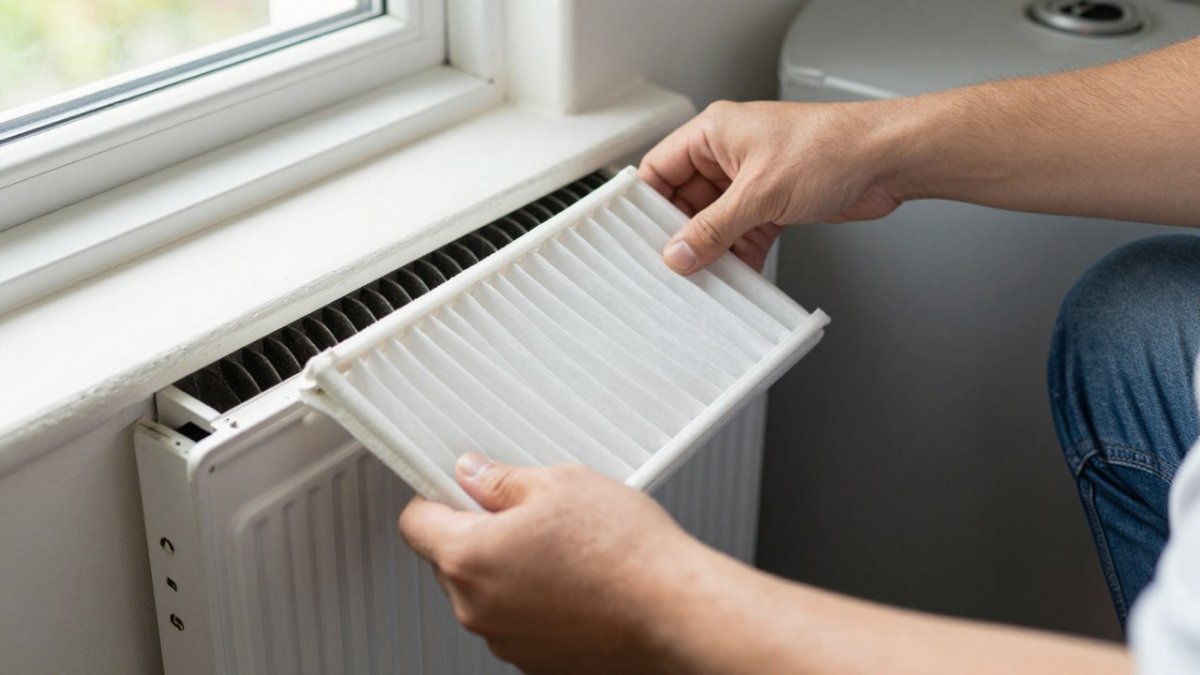
How to change a furnace filter:
- Turn the thermostat to off.
- Locate the filter slot, usually at the return air grille or the furnace cabinet.
- Slide out the old filter and note the airflow arrow on its frame.
- Insert the new filter with the arrow pointing toward the furnace.
- Turn the system back on and listen for normal operation.
Check the filter monthly during heating season. Replace it when it looks gray and clogged, or sooner if you have pets. Our guide to which HVAC filter types are best for your home can help you pick the right size and rating.
Watch out: Installing a filter backward reduces airflow, so always match the arrow to the direction of airflow.
Step 3: Set Your Thermostat for Efficient Winter Operation
Thermostat settings affect both comfort and energy use, but the right approach depends on your system type and how the Treasure Valley's temperature swings hit your home. A steady setting is usually more efficient than large swings, but heat pumps and dual-fuel systems need different handling than a gas furnace.
Practical thermostat tips for furnaces:
- Set a comfortable daytime temperature and keep it steady.
- Use a modest setback at night rather than a deep one.
- Replace batteries in battery-powered thermostats before winter.
- Confirm the system switches between heat and cool correctly.
Heat pump and dual-fuel settings:
- Avoid deep setbacks on heat pumps. A heat pump recovers slowly, and a large setback can force the backup electric resistance heat to run, which uses more energy than holding a steady temperature.
- On dual-fuel systems, confirm the changeover temperature is set appropriately so the gas furnace only takes over when the heat pump can no longer keep up.
- If you have a smart thermostat, check that its schedule and geofencing are set for winter, not last summer's routine.
Timing for the Treasure Valley: The valley can swing from mild afternoons to freezing nights in a short window, so test your heat before the first hard freeze rather than waiting for a cold snap. Run the system for a full cycle on a cool evening and confirm it reaches the set temperature without short cycling. If you have a heat pump, test it in heating mode specifically; many homeowners only discover a reversing valve or defrost issue when temperatures drop.
Watch out: A thermostat that reads a temperature far from the actual room temperature, or one that clicks but does not start the blower, often points to a wiring or control issue that should be checked by a licensed technician rather than adjusted repeatedly.
Step 4: Check Vents, Registers, and Outdoor Equipment
Blocked airflow forces a furnace or heat pump to work harder, and in the Treasure Valley the outdoor equipment check matters as much as the indoor vents. Walk through the house and around the exterior before the first freeze.
Indoor vents and registers:
- Confirm every supply register is open and unblocked by furniture or rugs.
- Vacuum dust from grilles and return vents.
- Check that return air paths are not blocked by storage boxes or a couch; a blocked return is a common cause of overheating and short cycling.
- Make sure no register is closed in a room you want to heat; closing too many can raise system pressure and reduce efficiency.
Outdoor equipment for furnaces and heat pumps:
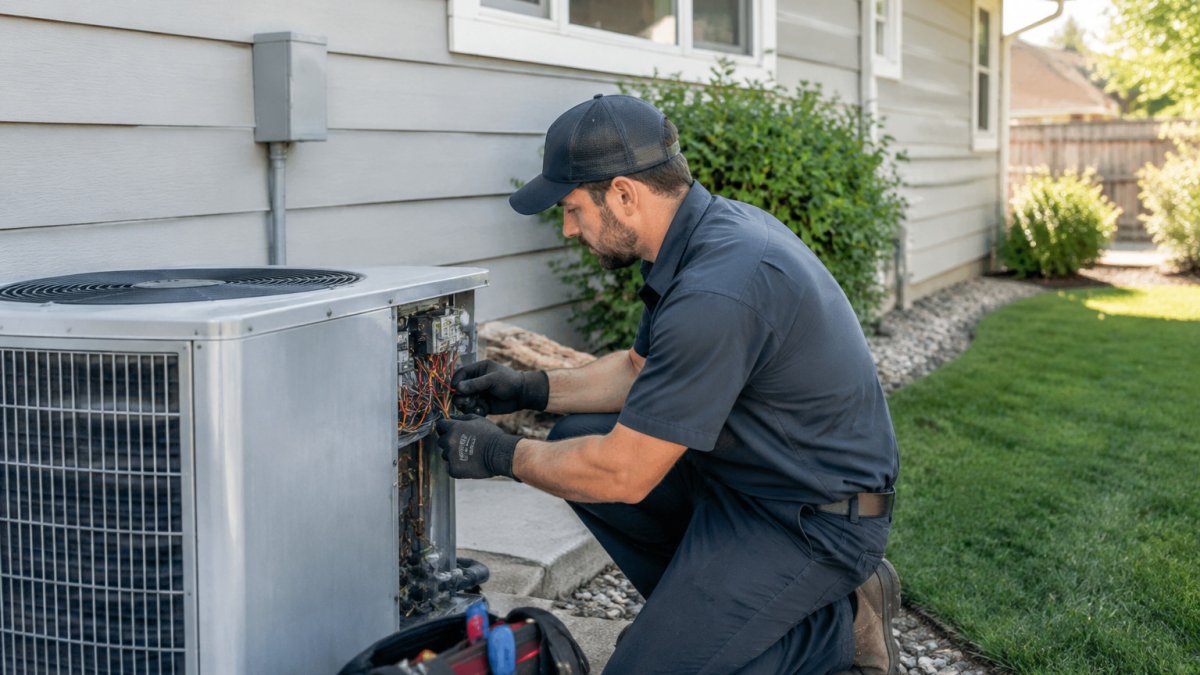
- Clear leaves, snow, and debris from around the outdoor condensing unit.
- Keep at least a few feet of clearance around the outdoor unit.
- Check that the intake and exhaust vents for gas furnaces are clear of snow and ice.
- For heat pumps, confirm the outdoor unit is level and that the defrost cycle is not blocked by ice buildup. Heat pumps run defrost cycles in winter, and a unit that stays iced over is a sign of a problem.
- Check the condensate drain line for heat pumps and high-efficiency furnaces; a clogged line can freeze and cause water damage or a shutdown.
Treasure Valley freeze considerations: The valley can see hard freezes after mild days, so do not wait for snow to clear around the outdoor unit. A common pattern is a heat pump that runs fine in fall but ices up on the first freezing night because the defrost cycle or drain line was never checked. If you have a dual-fuel system, confirm both the heat pump and furnace outdoor venting are clear, since the furnace may not run until the changeover temperature is reached.
Watch out: Never cover the outdoor unit with a tarp or plastic to "protect" it from snow; that traps moisture and can cause corrosion or ice buildup. Use a proper cover only if the manufacturer recommends one for off-season use.
Step 5: Run a Winter HVAC Maintenance Checklist and Know What You Can DIY
Some winter tasks are simple enough to do yourself. Others require a licensed technician, and trying to handle them alone can create safety risks.
DIY tasks for most homeowners:
- Replace or clean the air filter
- Clear vents, registers, and the area around outdoor equipment
- Test the thermostat and confirm heat turns on
- Check that carbon monoxide detectors are working
Leave these to a licensed HVAC technician:
- Gas line, burner, and heat exchanger work
- Electrical component repair
- Refrigerant handling in heat pumps and air conditioners
- Any work on the inside of the furnace cabinet
Carbon monoxide is a serious risk from gas heating. Install a working CO detector near sleeping areas and test it each month. If the detector alarms, leave the home and call for help.
If a heating failure happens during extreme cold, keep the house warm by closing off unused rooms and dressing in layers. Call a technician rather than attempting repairs on gas components yourself. For smaller jobs that come up around the house during the season, our Handyman services may be a fit.
Signs Your Furnace Needs Repair Before the Cold Sets In
Catching a problem early is far cheaper than dealing with a failed furnace in a cold snap. Watch for these warning signs:
- Short cycling, where the furnace turns on and off frequently
- Unusual banging, squealing, or grinding noises
- Weak airflow from the registers
- Frequent tripped breakers or blown fuses
- Yellow or flickering burner flames instead of steady blue ones
- Rising energy bills without a change in habits
Many common causes are straightforward for a trained technician to fix. Our guide on deciding whether to repair or replace a furnace explains how to weigh the options.
Booking Your Winter Tune-Up With M Property Services
Preparing your HVAC system for winter in the Treasure Valley comes down to three things: a professional tune-up, a clean filter, and clear airflow. M Property Services is a locally owned company. Our licensed HVAC technicians can inspect your system and answer your questions.
Contact us for a quote, and we will help you get your home ready before the first hard freeze.
Frequently Asked Questions
What should my HVAC be set at in winter?
Most households are comfortable at 68 to 70 degrees Fahrenheit while awake and home. Lowering the thermostat by about 7 to 10 degrees overnight or while the house is empty can reduce heating use, and a programmable or smart thermostat can automate that schedule. Avoid large swings in a single day, since the system works harder to recover. If the house feels uneven, check registers and filters before raising the setpoint, because blocked airflow often causes cold rooms rather than a weak furnace.
How often should I change my furnace filter during winter?
Check the filter monthly during heating season and replace it when it looks dirty or every one to three months, depending on the filter type, pets in the home, and how often the system runs. Heavier winter use and dusty conditions shorten filter life. Write the replacement date on the filter frame or a calendar so the habit sticks. A clogged filter restricts airflow, which can strain the blower motor and reduce heating performance.
When should I schedule furnace maintenance before winter?
Schedule a professional tune-up in early fall, before the first hard freeze and before the heating season ramps up. Booking early avoids the rush when temperatures drop and technicians fill up quickly. A licensed HVAC technician can inspect combustion, check safety controls, clean components, and test system operation.
Do I need a licensed technician to prepare my HVAC system for winter?
Homeowners can handle the basics safely, including replacing filters, clearing vents and registers, setting the thermostat, and keeping the area around the outdoor unit clear of leaves and debris. Work involving gas lines, combustion components, electrical connections, refrigerant, or internal cleaning should be done by a licensed HVAC professional. If you notice a gas odor, soot, or a yellow burner flame, shut the system off and contact a qualified technician or your gas utility right away.