 blog
blog
Cost of Professional Home Maintenance Services
Table of Contents
- What Professional Home Maintenance Services Actually Cost
- Average Home Maintenance Cost Per Year
- Home Maintenance Cost Per Square Foot
- Handyman Hourly Rates vs. Flat-Rate Pricing
- Home Maintenance Plans: What They Include and What They Cost
- DIY vs. Professional: Comparing the Real Cost
- How Home Age, Condition, and Location Change Your Costs
- Conclusion
- Frequently Asked Questions
Last Updated: October 17, 2026
What Professional Home Maintenance Services Actually Cost
The cost of professional home maintenance services in 2026 depends on three things: how the provider bills, how old the house is, and what "maintenance" means to you.
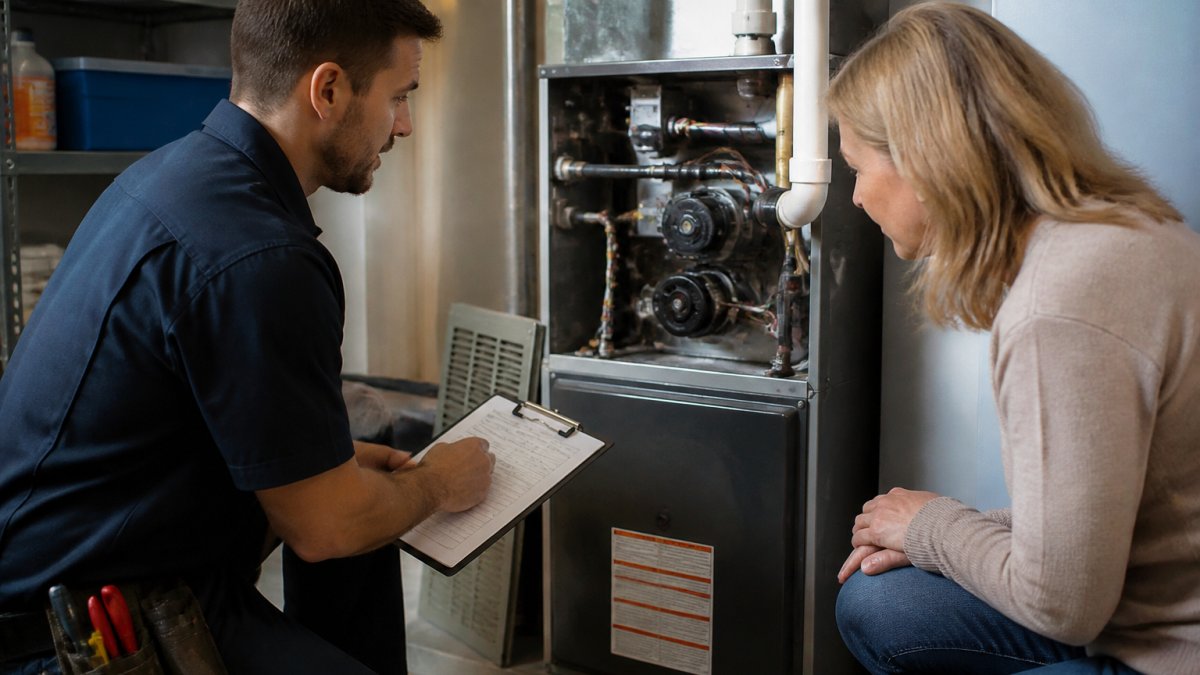
At M Property Services, we've spent over 30 years handling electrical, HVAC, handyman, and backflow work across Ada and Canyon Counties.
Professional home maintenance is usually cheaper than emergency repair, but only if you understand how providers price the work.
Home maintenance is the scheduled servicing, inspection, and minor repair of a property's systems and structure to prevent failures and preserve value. It covers HVAC servicing, roof and plumbing checks, electrical inspections, seasonal landscaping, and general repairs.
Average Home Maintenance Cost Per Year
The average home maintenance cost per year is best understood as a percentage of your home's value.
For a $400,000 home, that rule points to a rough annual budget of $4,000. For a $650,000 home, closer to $6,500.
A practical monthly budget works better than an annual lump sum. Divide your target by twelve and treat it as a fixed line item alongside your mortgage.
An Itemized Annual Plan for a Typical Single-Family Home
Below is a sample annual schedule for a 2,000-square-foot home built in the 1990s, priced as professional service visits rather than DIY. Figures are planning ranges, not quotes, your provider's rates and your home's condition will move them.
| Service | Frequency | Typical Annual Cost (Professional) |
|---|---|---|
| HVAC seasonal tune-up (heating and cooling) | 2 visits per year | $180-$350 |
| HVAC filter changes (if included) | 4 changes per year | $60-$140 |
| Roof and gutter inspection | 1-2 visits per year | $150-$400 |
| Gutter cleaning | 2 visits per year | $150-$350 |
| Plumbing inspection and water heater flush | 1 visit per year | $120-$250 |
| Electrical safety inspection | 1 visit per year | $100-$250 |
| Backflow assembly testing (where required) | 1 visit per year | $75-$150 |
| Dryer vent cleaning | 1 visit per year | $100-$200 |
| Minor handyman punch list (caulking, seals, hardware) | 2-3 hours per year | $150-$350 |
| Planning total | $1,085-$2,440 |
That range sits below the 1% rule for a $400,000 home, which is the point. The 1% rule is a reserve target that absorbs the occasional big repair, a water heater replacement, a roof section, an HVAC capacitor, not a prediction of routine service visit costs.
What the Annual Number Does Not Include
Three categories routinely fall outside a routine maintenance budget and should be tracked separately:
- Component replacement. Water heaters, HVAC condensers, and roofing have service lives measured in years, not months. A 12-year-old water heater is a planned expense, not a surprise.
- Code-driven upgrades. Older electrical panels, outdated outlets near water, and similar items may need work that no maintenance plan covers.
- Emergency call premiums. After-hours and weekend calls typically carry a higher rate than scheduled visits, and the premium is rarely itemized on a plan brochure.
How to Use the Number
Use the itemized schedule to build a monthly reserve, then layer the 1% rule on top as a repair cushion. If your provider quotes a flat annual plan, compare it against the itemized total above, a plan priced well below the sum of its individual visits usually excludes something.
Home Maintenance Cost Per Square Foot
Home maintenance cost per square foot gives you a second way to sanity-check your budget, especially when comparing homes of different sizes.
A useful framework:
| Home Size | Relative Maintenance Load | Typical Focus Areas |
|---|---|---|
| Under 1,500 sq ft | Lower total, higher per-unit cost | HVAC, plumbing, roof |
| 1,500-2,500 sq ft | Moderate, scales evenly | All systems plus landscaping |
| 2,500-3,500 sq ft | Higher, more systems | Multiple HVAC zones, more fixtures |
| Over 3,500 sq ft | Highest total | Duct cleaning, multi-zone service, security |
Smaller homes often carry a higher cost per square foot because fixed service call fees spread across less space, an HVAC service call costs roughly the same whether your house is 1,200 or 3,200 square feet.
Regional pricing matters too: labor costs, permit fees, and contractor availability vary by market, so a national per-square-foot figure rarely matches local quotes.
Handyman Hourly Rates vs. Flat-Rate Pricing
Handyman hourly rates and flat-rate pricing are the two dominant service pricing models. Hourly billing charges for time plus materials; flat-rate pricing quotes a fixed total before work begins.
When an Hourly Rate Makes Sense
Hourly rates work best for diagnostic work and small jobs with unpredictable scope. If a technician needs to trace an electrical fault or find a slow leak, you can't know in advance how long it will take.
The risk is open-ended. A slow diagnosis or an unexpected complication runs up the clock, and you absorb that cost. Ask for an estimate of hours before work starts and a cap on what you'll authorize.
When Flat-Rate Pricing Saves You Money
Flat-rate pricing wins on well-defined tasks: thermostat replacement, a specific electrical repair, seasonal HVAC servicing, or a set list of maintenance tasks. You know the total before anyone picks up a tool, which makes budgeting and comparison shopping easier.
The trade-off is that flat rates build in a buffer for the provider. On a fast job, you may pay slightly more than the hourly equivalent. On a complicated one, you pay less.
Home Maintenance Plans: What They Include and What They Cost
Home maintenance plans bundle scheduled service visits into a recurring annual agreement, and their value depends entirely on what's included versus excluded. Pricing varies by provider, home size, and systems covered, so ask for an itemized list before signing.
A typical professional maintenance plan covers:
- Seasonal HVAC servicing and filter changes
- Annual roof and gutter inspection
- Plumbing checks and water heater flush
- Electrical inspections and minor repairs
- Priority scheduling for emergency calls
What plans usually exclude: major system replacements, parts over a set value, work caused by neglect, and anything requiring permits. Read the exclusions page before the inclusions page. That's where the surprises live.
How Maintenance Plans Are Priced
Plans are usually sold one of three ways, and the model changes what you pay over a year:
- Flat annual fee. One price covers a defined list of visits. Easiest to budget, but the price is set for an average home, so a well-maintained house subsidizes a neglected one.
- Per-system add-ons. A base plan covers HVAC, and plumbing, electrical, and roof coverage are priced separately. This lets you buy only what your home needs, but the add-ons add up quickly.
- Subscription with visit credits. A monthly fee accrues credits toward service visits. Flexible, but unused credits often expire, and the effective rate per visit is hard to compare against a flat fee.
Ask each provider to quote the same scope, same number of HVAC visits, same inspection list, so the numbers are comparable. A plan that looks cheaper per month often covers fewer visits or excludes systems your home actually uses.
What a Quote Should Itemize
A professional maintenance quote is more than a total. These line items change the final bill and are the ones homeowners most often skip when comparing offers:
- Inspection or diagnostic fee. Some providers charge a flat visit fee even when no work is performed. Ask whether it's waived if you approve the repair.
- Minimum call-out charge. A minimum billed time, often one hour, applies even to a five-minute task. This matters most for small punch-list jobs.
- Materials markup. Parts are often billed at a markup over retail. Ask for the markup percentage, not just the parts total.
- Permit fees. Work requiring a permit carries a fee and often an inspection. Permits are usually passed through at cost, but confirm.
- Emergency and after-hours surcharges. Weekend, evening, and holiday calls typically carry a premium. Know the multiplier before you need it.
Comparing a Plan Against Pay-Per-Visit
Run the math both ways before committing. Add up what the plan's included visits would cost at the per-visit rate, then compare that sum to the annual plan price. If the plan is meaningfully cheaper and you'll use the visits, it's a reasonable buy. If it's priced close to the per-visit total, you're paying for priority scheduling and discounts rather than savings, which can still be worth it, but know which benefit you're buying.
DIY vs. Professional: Comparing the Real Cost
DIY versus professional is where most cost comparisons go wrong, because they compare the price of a part to the price of a service call and stop there.
A homeowner can change filters, seal gaps, and clear gutters safely.
The math usually favors DIY for simple, low-risk upkeep and favors professionals for anything regulated.
U.S. Environmental Protection Agency guidance on home safety and indoor air quality is a useful starting point for understanding which household systems carry health and safety implications.
How Home Age, Condition, and Location Change Your Costs
Age and condition move the number more than any other factor. A newer home mostly needs preventive maintenance.
Older homes also carry code-compliance costs. Upgrades made decades ago may no longer meet current requirements, and bringing them up to standard adds expense that a maintenance plan won't cover.
The practical takeaway: use the 1% rule as a starting point, then adjust upward for age and climate.
Conclusion
The challenge with professional home maintenance isn't finding a provider. It's knowing what you're actually paying for, and most homeowners only learn that after a surprise invoice.
M Property Services simplifies the whole picture. Our handyman service handles the smaller jobs, and over 30 years of local experience means we know what homes in this area actually need.
Get a quote from M Property Services and build a maintenance budget around real numbers instead of guesswork.
Frequently Asked Questions
How much should I budget for regular home maintenance?
A common rule of thumb is to set aside 1% of your home's value each year for maintenance, so a $400,000 house works out to roughly $4,000 annually. That covers routine tasks like HVAC servicing, roof inspections, plumbing checks, and minor repairs. Homes older than 20 years, or those with deferred upkeep, often need more. The number works best as a starting point: track your actual spending for a year, then adjust your monthly budget to match what your property really demands.
Are home maintenance plans worth it?
A home maintenance plan pays off when it prevents expensive failures rather than just bundling tasks you would book anyway. Regular HVAC servicing keeps equipment running efficiently and catches worn parts before they fail, and scheduled roof and plumbing checks catch small leaks early. The value depends on what the plan includes: ask whether it covers tune-ups, priority scheduling, and any labor discounts. Compare the annual fee against what you would pay for the same visits individually before signing.
Is it cheaper to hire a handyman or a specialized contractor?
For small jobs like patching drywall, replacing a faucet, or installing shelving, a handyman is usually the lower-cost option because you pay one rate for a range of tasks. Licensed trades are required for work like electrical repairs, HVAC refrigerant handling, and gas lines, and those jobs carry higher labor rates for good reason. Hiring an unlicensed person for regulated work can void warranties and create insurance problems. Match the provider to the task, and confirm licensing before work begins.
What factors affect the cost of professional home maintenance services?
Labor rates in your area, the age and condition of your home, the trades involved, and whether the job is routine or an emergency all move the price. Square footage matters too, since larger homes have more systems and surfaces to service. Access is another factor: a crawlspace or a roof with steep pitch takes longer. Finally, pricing model matters, because hourly billing, flat rates, and annual plans allocate cost very differently for the same work.