 listicle
Benefits of Annual Home System Inspections
Table of Contents
- Why Annual Home System Inspections Matter
- Your Home Maintenance Inspection Checklist
- HVAC Maintenance Inspection: Heating and Cooling
- Annual Furnace Inspection: Why It Can't Wait
- Home Inspection Cost: What to Expect
- How Annual Home Inspections Save You Money
- Prioritizing Repairs and Protecting Your Investment
- Frequently Asked Questions
Last Updated: October 15, 2026
Why Annual Home System Inspections Matter
Most homeowners call a contractor when something breaks. That approach costs more than it should.
At M Property Services, we have spent over 30 years handling electrical, HVAC, handyman, and backflow work for homeowners across Ada and Canyon Counties. The pattern we see is consistent: homes on a regular inspection schedule need fewer emergency calls and less expensive repairs.
A home maintenance inspection is a scheduled evaluation of your home's major systems and components to identify wear, safety hazards, and emerging problems before they cause failure. It differs from a one-time real estate inspection because it repeats. It tracks change over time.
That difference matters. A single inspection is a snapshot. An annual one is a record.
Your Home Maintenance Inspection Checklist
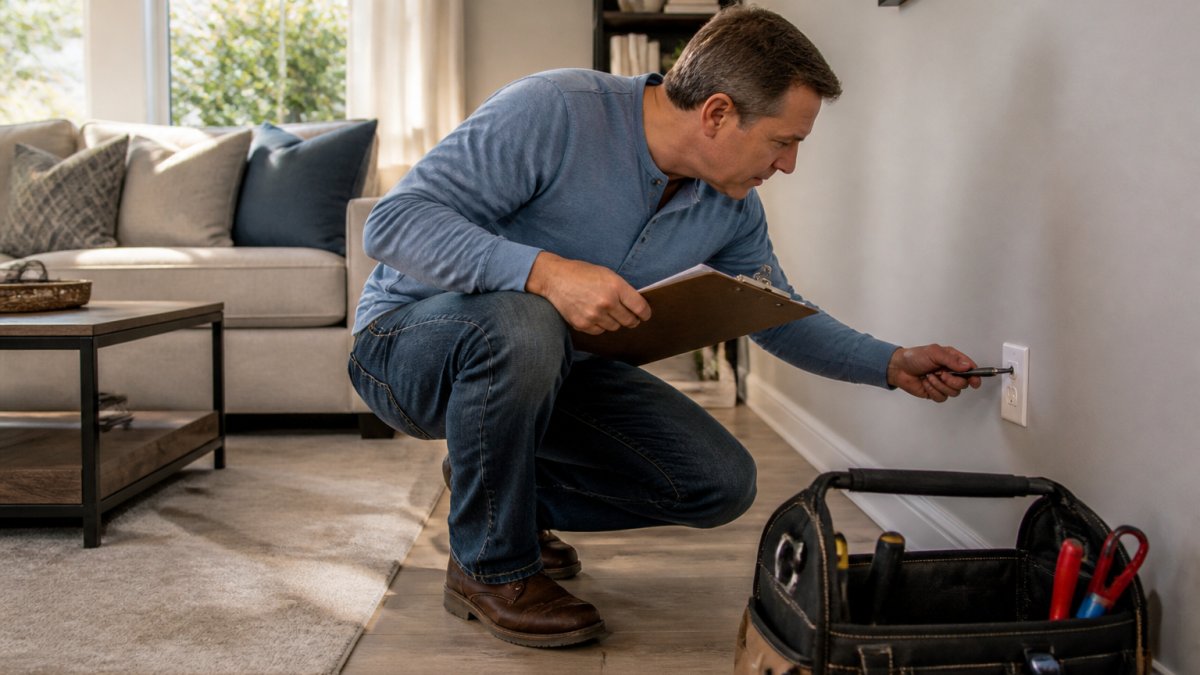
A practical home maintenance inspection checklist splits work into two categories: what you can safely check yourself and what requires a licensed professional. Knowing the line between them prevents both wasted money and real danger. The list below goes further than most, it tells you what each check is actually looking for and how often it needs to happen.
What Homeowners Can Check on Their Own
These tasks need no special tools or training. Walk your home once a season and note anything that looks different from last time:
- Test smoke and carbon monoxide detectors, monthly. Press the test button and confirm the alarm sounds. Replace batteries at least annually, and replace the entire detector every 10 years per manufacturer guidance, because sensors degrade even when the alarm still chirps.
- Look for water stains on ceilings and under sinks, seasonal. Brown rings, bubbling paint, and soft drywall mean moisture is already present. Under sinks, check the cabinet floor and the base of the supply lines for dark rings or swelling.
- Check weatherstripping and caulk around windows and doors, seasonal. Look for gaps, cracking, and compressed seals. A dollar bill closed in a door should resist being pulled out; if it slides freely, the seal is failing.
- Clear debris from gutters and downspouts, twice a year, plus after major storms. Confirm downspouts discharge away from the foundation, not against it.
- Inspect the attic for daylight, dampness, or pest activity, seasonal. Daylight through the roof deck means a breach. Dark staining on rafters means a leak. Droppings or chewed insulation mean pests.
- Confirm the furnace filter is clean and correctly seated, monthly during heating season. A filter that is dirty or bypassing air at the edges forces the blower to work harder and shortens equipment life.
- Look for cracks in the foundation and gaps in exterior siding, seasonal. Hairline cracks are common. Cracks that are widening, or that let light through, are not.
What Requires a Qualified Professional
Some checks are not DIY projects. Gas appliances, electrical panels, and refrigerant systems carry genuine risk when handled without training.
A qualified inspector or licensed technician should handle:
- Furnace and heat exchanger evaluation, annually. The heat exchanger is the safety-critical component, and cracks are often invisible without proper testing equipment.
- Electrical panel and wiring inspection, every 2 to 3 years, or annually in older homes. Look for warm breaker faces, scorch marks, and double-tapped breakers. These are fire risks, not maintenance items.
- Gas line and combustion safety testing, annually. This covers gas pressure, burner flame pattern, and carbon monoxide levels in the flue and living space.
- Roof and structural assessment, annually, plus after any major storm. A professional can spot lifted flashing, granule loss, and decking rot that are easy to miss from the ground.
- Radon and mold testing, as needed, or every 2 years for radon. Radon is odorless and invisible, so testing is the only way to know.
- Backflow assembly testing, annually, where required by code. This is a compliance item, not a preference, and it must be performed by a certified tester.
Frequency at a Glance
Not every system needs the same schedule. Use this as a starting point and adjust for the age and condition of your home:
| System | DIY Check Frequency | Professional Inspection Frequency |
|---|---|---|
| HVAC (heating and cooling) | Monthly filter check | Annually, ideally before each season |
| Electrical panel and wiring | Visual, no contact | Every 2-3 years |
| Plumbing supply and drains | Seasonal visual check | Annually |
| Roof and gutters | Twice a year | Annually |
| Foundation and structure | Seasonal visual check | Annually |
| Backflow assembly | None | Annually, where required by code |
| Smoke and CO detectors | Monthly test | Replace unit every 10 years |
| Radon | None | Every 2 years |
The U.S. Consumer Product Safety Commission guidance on carbon monoxide safety explains why combustion appliances deserve professional attention every year.
HVAC Maintenance Inspection: Heating and Cooling
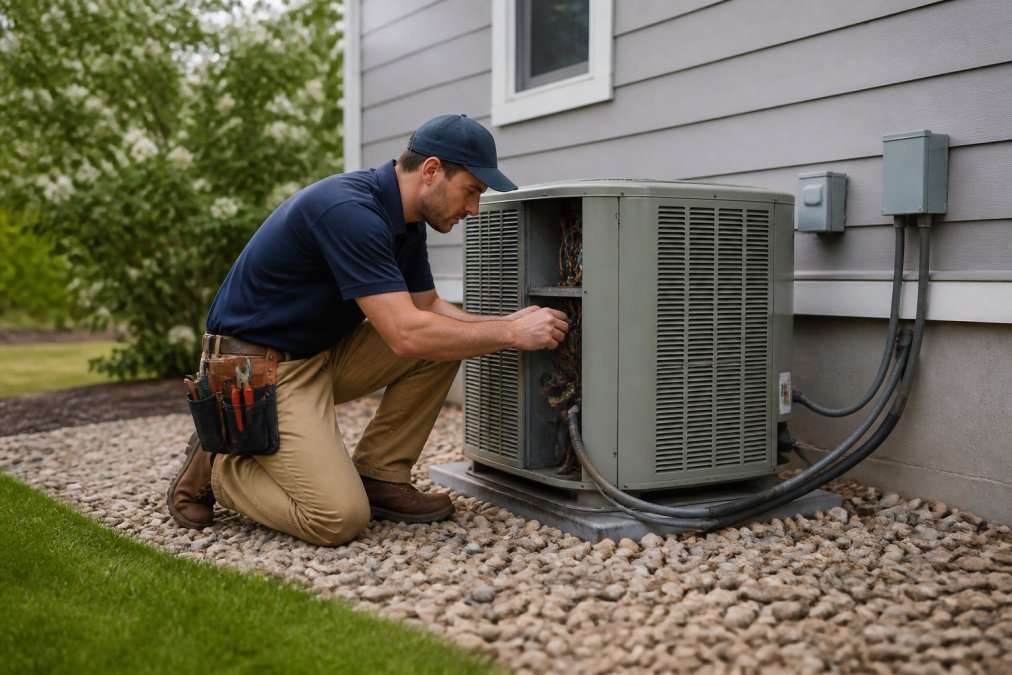
An HVAC maintenance inspection is the single highest-return item on the list. Heating and cooling equipment runs harder than any other system in the house, and it fails more often when it is ignored.
What a proper HVAC visit includes:
- Cleaning or replacing filters and checking airflow
- Inspecting the blower motor and belts
- Testing refrigerant charge and checking for leaks
- Cleaning condenser and evaporator coils
- Checking thermostat calibration and controls
- Flushing the condensate drain line
Most manufacturers require documented annual service to keep a warranty valid. Skip it, and a covered repair can become your bill.
The U.S. Department of Energy guidance on home heating and cooling notes that regular maintenance helps equipment run closer to its rated efficiency, which shows up on your utility bill.
| System | DIY Check Frequency | Professional Inspection Frequency |
|---|---|---|
| HVAC (heating and cooling) | Monthly filter check | Annually, ideally before each season |
| Electrical panel and wiring | Visual, no contact | Every 2-3 years |
| Plumbing supply and drains | Seasonal visual check | Annually |
| Roof and gutters | Twice a year | Annually |
| Foundation and structure | Seasonal visual check | Annually |
| Backflow assembly | None | Annually, where required by code |
Annual Furnace Inspection: Why It Can't Wait
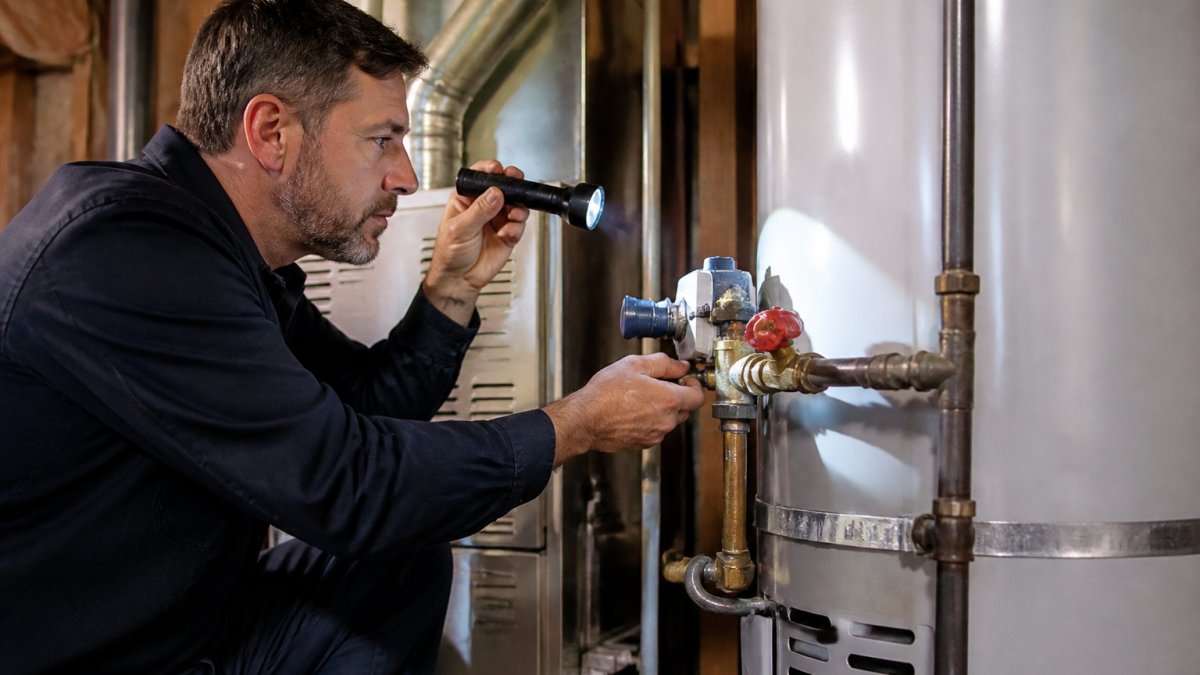
An annual furnace inspection is not optional maintenance. It is a safety check. Furnaces produce carbon monoxide as a normal byproduct of combustion, and a well-running unit vents it safely outside. A failing one does not.
What technicians look for:
- Cracks in the heat exchanger
- Blocked or disconnected flue piping
- Proper gas pressure and burner flame pattern
- Carbon monoxide levels in the flue and living space
- Rust, corrosion, or soot buildup
A furnace that has not been serviced in several years can develop problems that are invisible from the outside. Early detection here is not about saving money. It is about keeping your family safe.
Home Inspection Cost: What to Expect
Home inspection cost is the question homeowners ask first, and most articles dodge it. Here is the honest structure of how pricing works, so you can budget instead of guessing.
A focused single-system visit, one furnace, one electrical panel, one backflow assembly, is priced as a service call. A full-property maintenance inspection that covers HVAC, plumbing, electrical, roof, and structure is priced as a multi-system assessment.
What drives the number:
- Square footage and system count. A 1,200-square-foot ranch with one HVAC zone is not the same job as a 3,500-square-foot home with two furnaces, two condensers, and a zoned damper system.
- Age and condition. Older homes take longer because there is more to document and more legacy wiring, plumbing, and equipment to evaluate.
- Add-on testing. Radon, mold, and backflow testing are separate scopes with separate equipment and, in the case of backflow, separate certification requirements.
- Access and scheduling. Crawlspaces, steep roofs, and locked mechanical rooms add time.
A useful way to frame the spend is against what it prevents. A scheduled HVAC repair caught during a routine visit is billed at standard rates.
Because pricing depends on the scope of work, the honest answer is that you should request a quote for your specific property. We do not publish flat rates because a 1,200-square-foot ranch and a 3,500-square-foot home with multiple HVAC zones are not the same job.
For general context on what a home inspection typically covers, InterNACHI's consumer resources on home inspections is a reasonable starting point. For your own property, request a quote directly from us so the scope matches the home.
How Annual Home Inspections Save You Money
Regular inspections save money in three specific ways, and none of them are abstract.
First, they prevent emergency pricing. A failing water heater caught in a routine check gets replaced on a scheduled visit. The same failure at 2 a.m. on a holiday weekend costs significantly more.
Second, they extend equipment lifespan. An HVAC system that gets annual service tends to reach the upper end of its expected service life rather than failing early. That delay alone can push a major replacement years into the future.
Third, they catch small issues before they compound. A slow roof leak that gets sealed is a minor repair. The same leak after a season of water intrusion means rotted decking, stained ceilings, and possible mold remediation.
The U.S. Environmental Protection Agency's indoor air quality resources covers how unchecked moisture leads to mold problems that are far costlier to fix than the leak that caused them.
Prioritizing Repairs and Protecting Your Investment
Not every finding needs immediate action. Sorting results by urgency keeps you from either ignoring a real hazard or overspending on cosmetic items.
Address immediately: gas leaks, carbon monoxide risks, exposed wiring, active water intrusion, and structural cracks that are widening.
Schedule within 30 days: failing HVAC components, worn electrical outlets, and plumbing that shows early corrosion.
Monitor and plan: aging but functional equipment, minor cosmetic wear, and items that will need replacement within a year or two.
For homeowners who want one point of contact for all of it, M Property Services handles handyman work, electrical, HVAC, and backflow testing under one license. That means one call instead of four, and one company accountable for the results. Our team is licensed, bonded, and insured across multiple trades, and we work throughout Ada and Canyon Counties.
Frequently Asked Questions
What are the benefits of annual home system inspections?
Annual home inspections catch small issues before they become major repairs. They help you identify safety hazards like carbon monoxide leaks or electrical faults, improve energy efficiency, and extend the lifespan of systems such as HVAC and plumbing. Regular inspections also protect your property value and can save thousands of dollars in unexpected repair costs.
Which home systems should be inspected every year?
Key systems include your HVAC (heating and cooling), electrical panel and wiring, plumbing, roof, foundation, and attic insulation. A home maintenance inspection checklist typically covers these areas. Annual checks on your furnace and air conditioner are especially important for efficiency and safety.
How often should HVAC systems be inspected?
HVAC systems should be inspected annually, ideally in spring for air conditioning and fall for heating. An annual furnace inspection ensures safe operation and can prevent unexpected breakdowns during winter. Regular HVAC maintenance inspection also improves energy efficiency and extends equipment life.
Can annual home inspections help prevent expensive repairs?
Yes. Early detection of issues like small leaks, worn electrical components, or minor roof damage can prevent costly repairs. For example, fixing a small plumbing leak might cost a few hundred dollars, while ignoring it could lead to thousands in water damage and mold remediation. Annual inspections are a proactive way to protect your home investment.
Homeownership comes with a long list of systems that all age at different rates. Keeping track of them without help is where most homeowners fall behind. M Property Services offers a single, trusted provider for handyman repairs, electrical work, HVAC maintenance, and code-compliant backflow testing, backed by over 30 years of local experience. Get a quote from M Property Services and put your home on a maintenance schedule that protects your investment year after year.