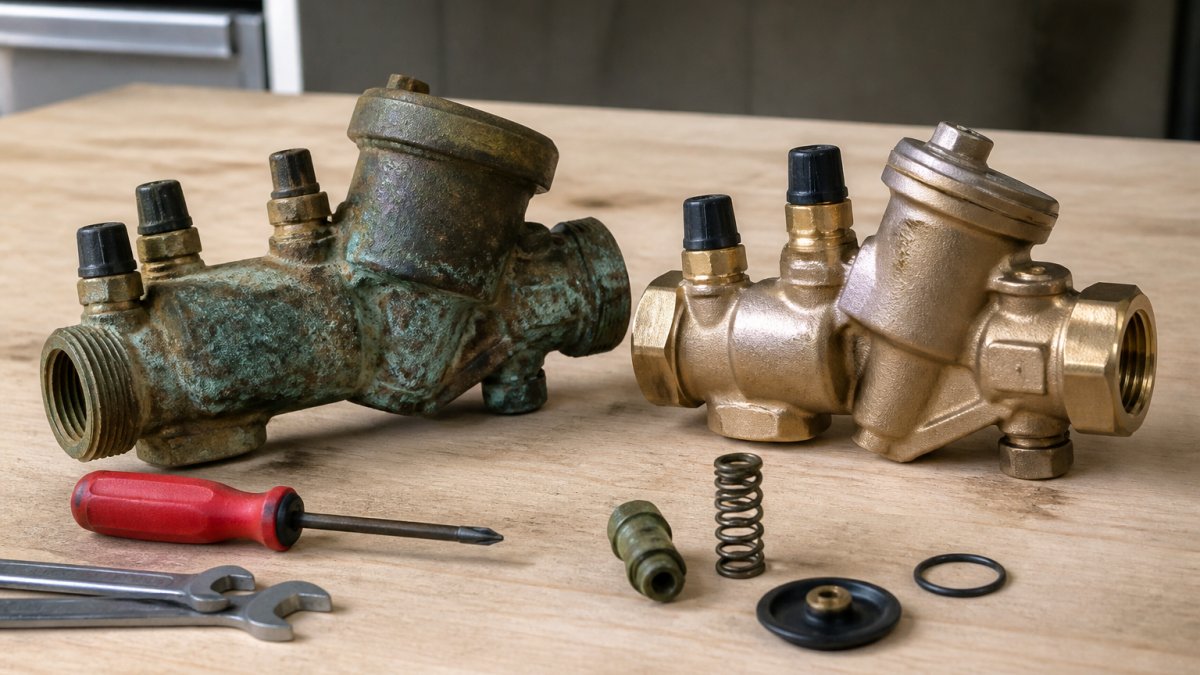
 comparison
Backflow Device Repair vs Replacement: A 2026 Guide
Table of Contents
- Signs of Backflow Preventer Failure
- Backflow Device Repair vs Replacement: Key Differences
- Common Causes of Backflow Device Failure
- Average Cost of Backflow Preventer Replacement
- Backflow Preventer Testing Requirements
- When Repair Makes Sense and When Replacement Is Mandatory
- DIY vs Licensed Professional: Risks and Compliance
- Frequently Asked Questions
Last Updated: September 28, 2026
Signs of Backflow Preventer Failure
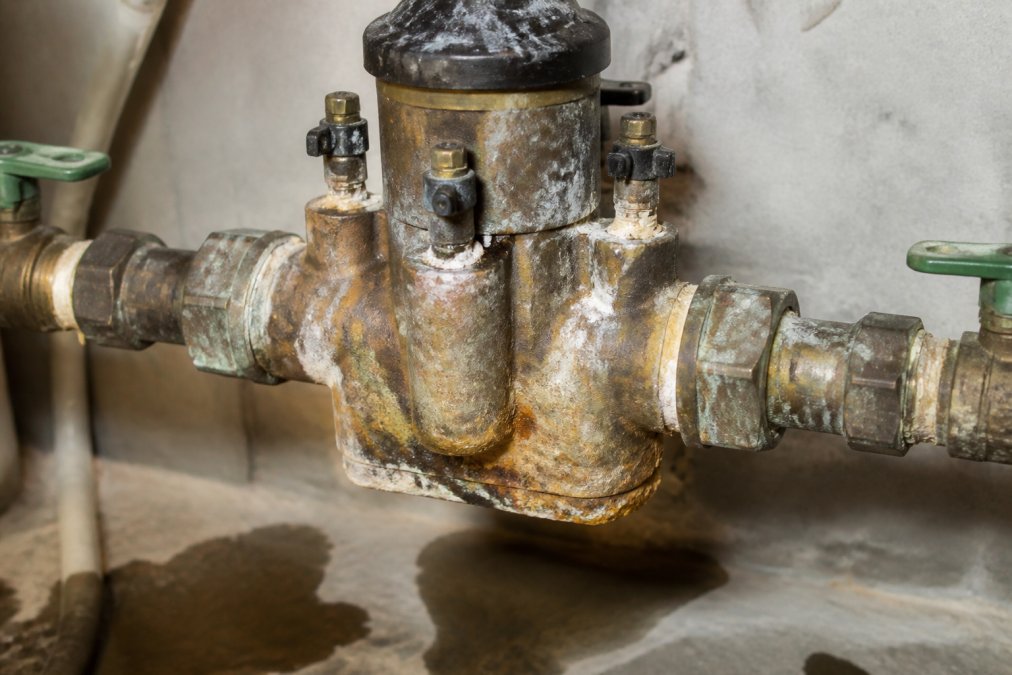
When considering backflow device repair vs replacement, a failing backflow preventer will show clear warning signs before it stops working entirely. The most obvious indicator is water leaking from the relief valve or the device body itself. You might notice water pooling around the base of the unit, or small drips that appear even when no water is running through your plumbing system.
Listen for unusual sounds coming from the device. A failing backflow preventer often produces hissing, whistling, or chattering noises as internal components wear down. The check valve or relief valve may not seal properly anymore, causing these audible signals that something is wrong.
Visual inspection reveals other red flags. Look for corrosion, rust stains, or mineral buildup on the device body and connection points. Discolored water coming from your taps, brownish or cloudy water, can indicate that internal seals have deteriorated and sediment is entering your water supply. Some devices show visible cracks in the main body, which means replacement is your only option.
If your backflow device is more than 5-10 years old and you're seeing any of these signs, professional testing becomes essential. We recommend annual backflow testing to catch these issues early, before they compromise your potable water supply or lead to costly emergency repairs.
Backflow Device Repair vs Replacement: Key Differences
Understanding the distinction between repair and replacement is crucial because the choice affects both your immediate costs and long-term system reliability. The decision hinges on device age, severity of damage, and whether internal components can be restored or must be replaced entirely.
What Repair Involves
Backflow device repair focuses on restoring internal components to working condition. Technicians disassemble the unit and inspect the check valve, relief valve, internal seals, o-rings, and springs. When these parts are worn but the main body is intact, they can often be rebuilt with a rebuild kit containing replacement seals, springs, and valve seats.
The repair process typically involves cleaning corroded internal surfaces, replacing degraded o-rings that prevent leaks, and adjusting spring tension so the check valve functions properly. If the device has suffered minor water damage or mineral buildup, professional cleaning and component replacement can restore it to full working order. This approach makes sense when the device body itself is sound and the failure stems from normal wear on internal seals and springs.
Repair also includes pressure testing and certification to ensure the rebuilt device meets plumbing code requirements. After repair, your backflow preventer must pass annual compliance testing to remain valid for your property.
What Replacement Involves
Replacement means installing an entirely new backflow prevention assembly. This is necessary when the main body is cracked, severely corroded, or when the device has failed repeatedly despite previous repairs. Technicians remove the old unit, disconnect it from water supply lines, and install a new device that meets current plumbing code standards.
Replacement requires that the new device be certified and tested immediately after installation. The new unit comes with a fresh certification that satisfies water utility requirements for the current year. You'll also get a new annual testing schedule, since the device's service history resets with installation.
Replacement is faster than repair when the device is beyond restoration, but it involves higher upfront costs because you're purchasing an entirely new assembly rather than just replacing worn internal components.
Common Causes of Backflow Device Failure
Most backflow preventer failures stem from predictable causes that you can monitor or prevent with proper maintenance. Understanding these failure modes helps you decide whether repair or replacement makes sense for your situation.
Freezing damage is the leading cause of backflow device failure in cold climates. Water trapped inside the device expands when it freezes, cracking the main body or damaging internal seals. If your backflow preventer isn't properly protected by an insulated enclosure during winter, freezing can render it unreparable. This type of damage almost always requires replacement because the structural integrity of the device is compromised.
Corrosion develops when the device is exposed to moisture and oxygen over years of operation. Mineral deposits from hard water accumulate inside, restricting water flow and corroding metal surfaces. The internal check valve and relief valve become stiff or stuck, preventing them from opening and closing properly. Corrosion damage can sometimes be cleaned and repaired if caught early, but severe corrosion often necessitates replacement.
Impact damage occurs when the device is struck by tools, debris, or accidental contact. A cracked body cannot be repaired, the device must be replaced to restore proper function and code compliance. Even small cracks allow water to bypass the backflow prevention mechanism, defeating its purpose entirely.
Water pressure fluctuations cause stress on internal springs and seals. If your home experiences sudden pressure spikes or drops, the device's internal components wear faster than normal. Repeated pressure cycling weakens o-rings and spring tension, eventually leading to failure. This type of wear-and-tear damage is usually repairable in its early stages through component replacement.
Sediment and debris entering the device from contaminated water supplies can jam the check valve or relief valve. If sediment is the only problem, cleaning and seal replacement often resolve the issue. However, if sediment has caused corrosion or structural damage, replacement becomes necessary.
Average Cost of Backflow Preventer Replacement
Replacement costs depend on device type, installation complexity, and local labor rates. Contact M Property Services for a quote tailored to your specific situation; we'll assess your device and provide transparent pricing for either repair or replacement.
The cost difference between repair and replacement is significant. Repair typically costs less upfront because technicians are only replacing worn internal components and testing the device.
Backflow Preventer Testing Requirements
Annual backflow testing is mandatory in most jurisdictions to maintain code compliance and protect your potable water supply. Testing verifies that your device is functioning correctly and that no contaminated water can flow backward into your home's drinking water.
When Repair Makes Sense and When Replacement Is Mandatory
The decision between repair and replacement depends on several factors: device age, failure severity, repair history, and long-term cost analysis.
Repair vs Replacement Decision Framework
| Condition | Best Choice | Reason |
|---|---|---|
| Device under 5 years old, first failure | Repair | Internal components are likely salvageable; device body is sound |
| Device 5-8 years old, minor leaks or slow response | Repair | Rebuild kit restores function at lower cost; device still has service life remaining |
| Device 8-12 years old, multiple previous repairs | Replacement | Repeated failures indicate structural wear; new device provides longer service life |
| Cracked or severely corroded main body | Replacement | Structural damage cannot be repaired; device cannot maintain code compliance |
| Freezing damage or impact damage | Replacement | Body integrity is compromised; repair is not a viable option |
| Device over 12 years old | Replacement | Device is nearing end of service life regardless of current condition |
Repair makes economic sense when the device is relatively young and the failure is limited to internal components. If your backflow preventer is 3-7 years old and showing signs of wear, minor leaks, sluggish response, or failed internal seals, repair through component replacement is usually the right choice. The device body is still sound, and replacing worn o-rings, springs, and valve seats restores full function at a fraction of replacement cost.
The Role of Professional Certification
Professional certification matters because only a licensed backflow tester can legally certify that your device meets code requirements. Some homeowners attempt DIY repairs using rebuild kits, but without professional testing and certification, the device remains non-compliant. Your water utility won't recognize a self-repaired device as meeting safety standards.
DIY vs Licensed Professional: Risks and Compliance
Some homeowners consider purchasing a rebuild kit and attempting repairs themselves to save money. This approach carries serious risks that often outweigh the short-term savings.
Frequently Asked Questions
What are the main signs that a backflow preventer needs repair or replacement?
Watch for water leaks around the device body or relief valve, reduced water pressure, audible hissing or dripping, visible corrosion or rust, and failed annual certification tests. Internal seals and o-rings degrade over time, causing these symptoms. If leaking persists after a rebuild kit installation or if the device body is cracked, replacement is usually necessary. A licensed technician can diagnose whether internal components can be restored or if the entire unit must be replaced.
How often do backflow preventers need testing, and what does the test involve?
Most jurisdictions require annual backflow preventer testing and certification. A licensed backflow tester performs a compliance test using specialized equipment to verify that the device's check valves, relief valve, and internal seals function correctly and prevent back-siphonage and back-pressure. If the device fails, repair or replacement is needed before it can be recertified. Annual testing is a legal requirement in many areas to maintain potable water supply protection and meet plumbing code standards.
What does backflow preventer repair typically cost compared to replacement?
Repair costs usually involve replacing internal components like o-rings, valve seats, and springs using a rebuild kit. Full replacement depends on device type and installation complexity. The decision hinges on device age, failure cause, and parts availability. If the device is over 10 years old with recurring failures, replacement often provides better long-term value and reliability.
Can I repair my backflow preventer myself, or do I need a licensed professional?
Backflow preventer work must be performed by a licensed technician certified in backflow assembly testing and repair. Plumbing codes and water utility requirements mandate professional certification to ensure system integrity and potable water protection. Improper repair or installation can create cross-connection risks, contaminate the water supply, and result in code violations. A licensed professional ensures compliance, proper diagnosis, and valid certification after service.